
Two Girls Roving: The tale of a 16 day, 3522 mile road trip to the Pacific Northwest in celebration of my friend’s college graduation! Follow along for all the shenanigans through thousands of miles, eight National Park Service units, night after night of camping, and even some coastal backpacking!
September 6, 2024
Whelp, the day was here… time to head east and begin the incredibly long drive back home to Cheyenne. We tiptoed out of our friend’s house before the sun was up, eager (but also reluctant) to get the eleven hour drive ahead of us started. We grabbed Starbucks before leaving Bend under thick, smoky skies. We had a bit of driving ahead of us before reaching our only side quest for the day, John Day Fossil Beds National Monument.

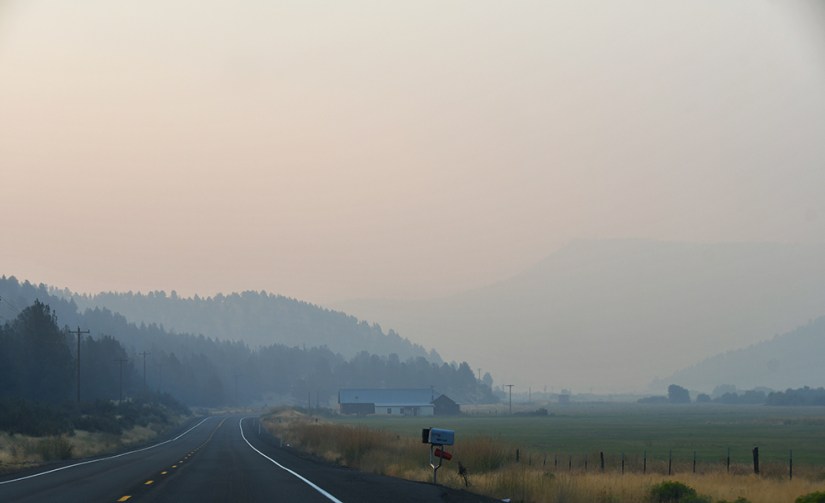
As wildfires raged all around us, we quickly realized we would not be escaping to better air quality… in fact, we were driving straight into the some of the worse air quality in the world. I am not sure I can remember the last time I was physically in an area with an AQI above 500 (which is like DANGER DO NOT BREATH THE AIR ANYONE level of air quality), but here we were cruising straight into it. Even with the vents on recirculate, we were coughing and felt the sting in our eyes.

John Day Fossil Beds National Monument was established in October 1975 and protects plant and mammal fossils from the late Eocene (about 45 millions years ago) to late Miocene (about 5 million years ago). Three separate units make up the monument: Sheep Rock, Painted Hills, and Clarno. Janice and I would be making a stop at the Painted Hills unit, which is probably the most popular unit of this national monument.

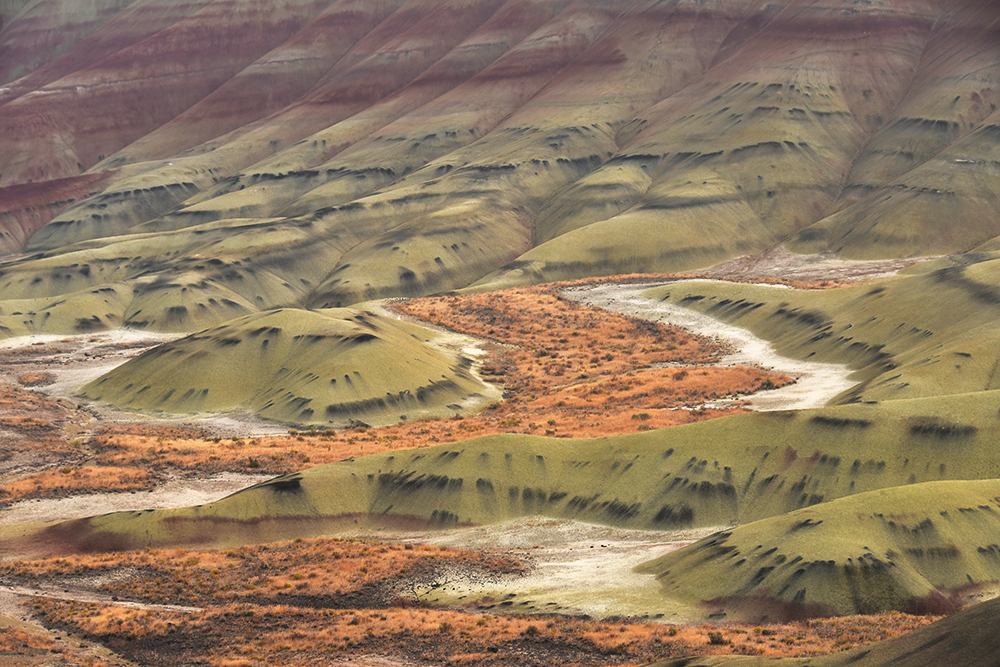
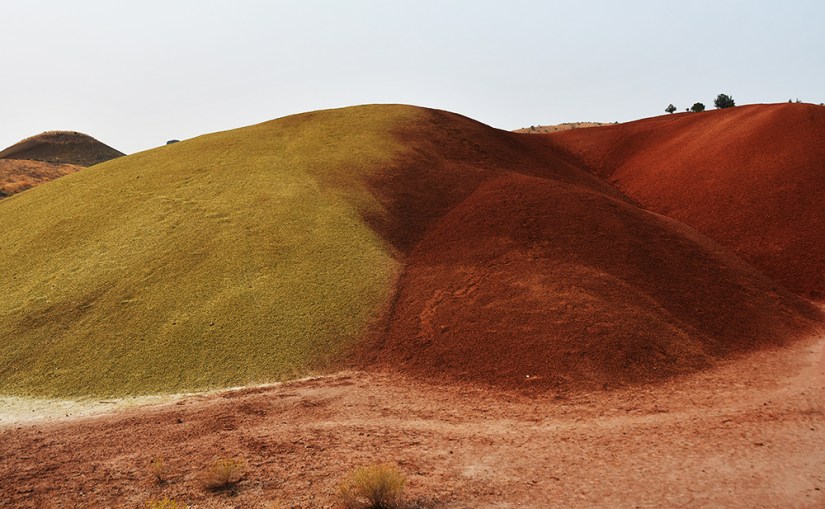
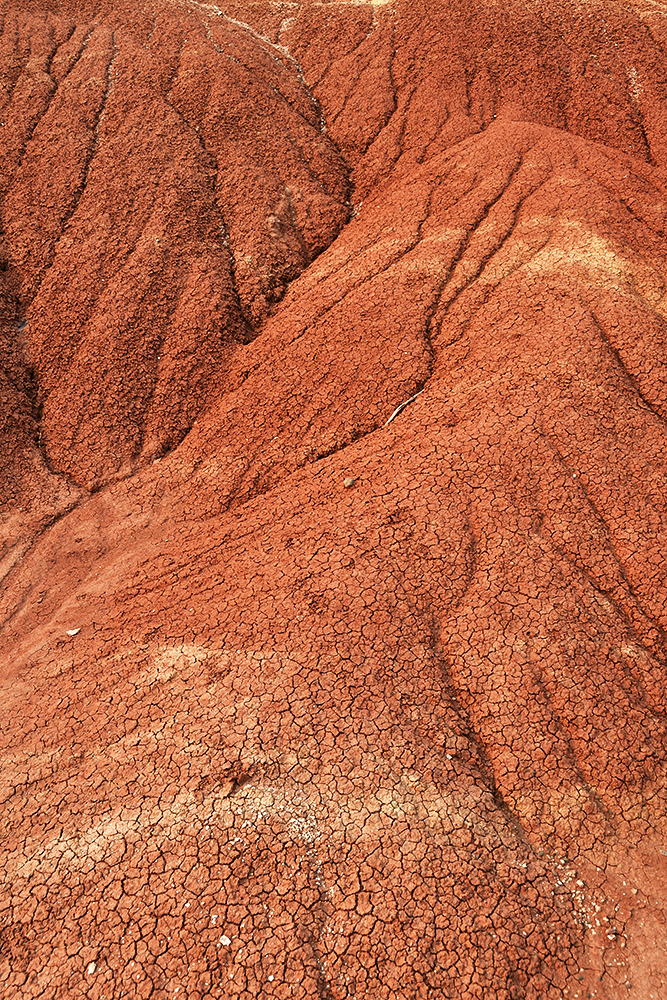
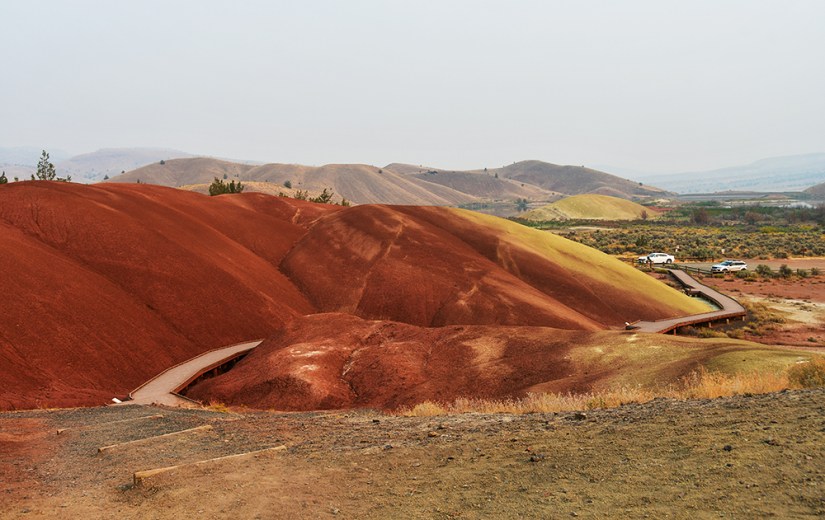
Painted Hills owes their colors to cycling periods of wet and dry climate conditions as the Eocene transitioned to the cooler Oligocene epoch. Beginning 35 million years ago, pumice and ash from volcanic eruptions in the Cascades settled over the area. Water, plant life, and animals helped mix the ash and sediments, and with time oxidation occurred in the ash. The cycling climate conditions cause the alternating red and tan layers, with the red deposits occurring during the more tropical conditions and tan deposits occurring in cooler conditions.

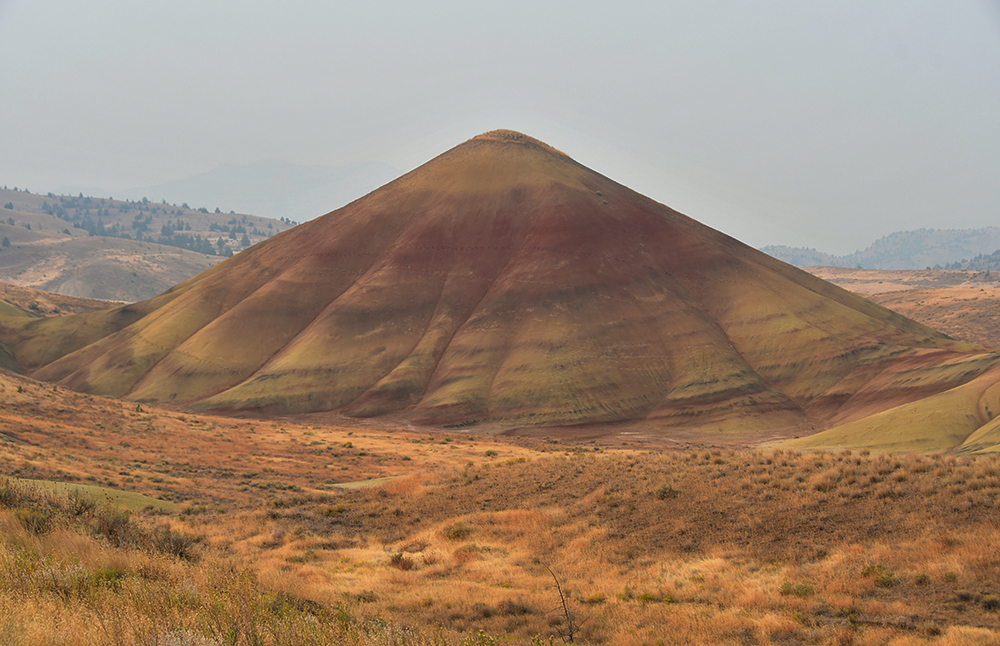
Our first stop was the Painted Hills Overlook Trail, a short half-mile roundtrip. Spread out before us was a Martian landscape (though, of course, we were on Earth!), with the warm reds and tans enhanced by the thick wildfire smoke.


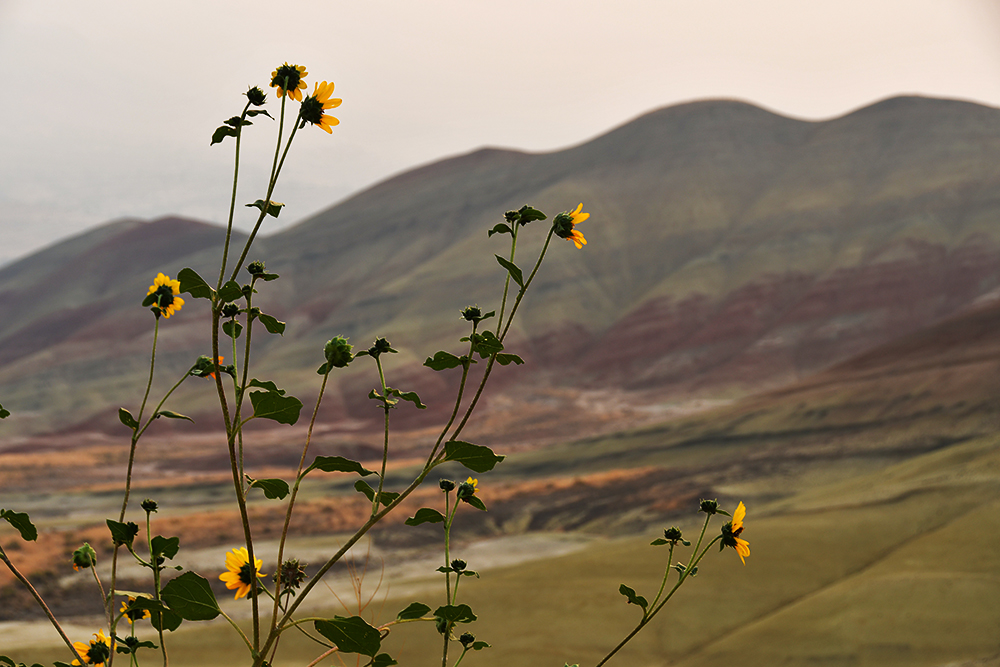


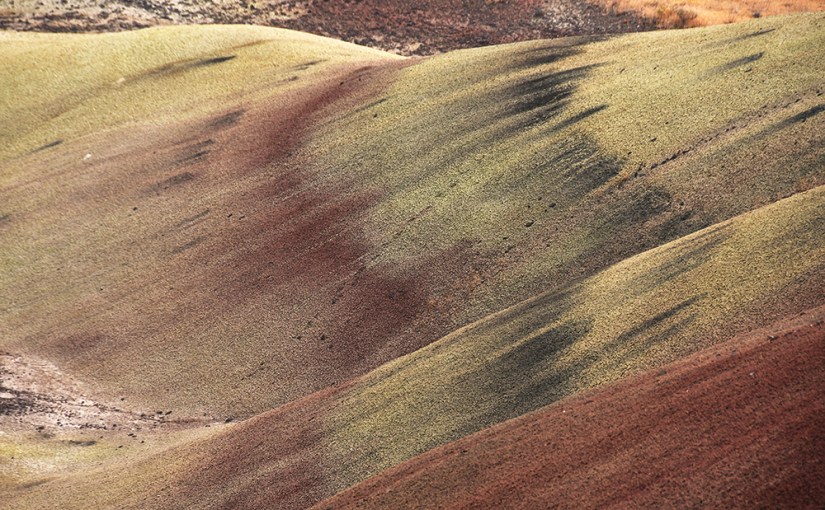


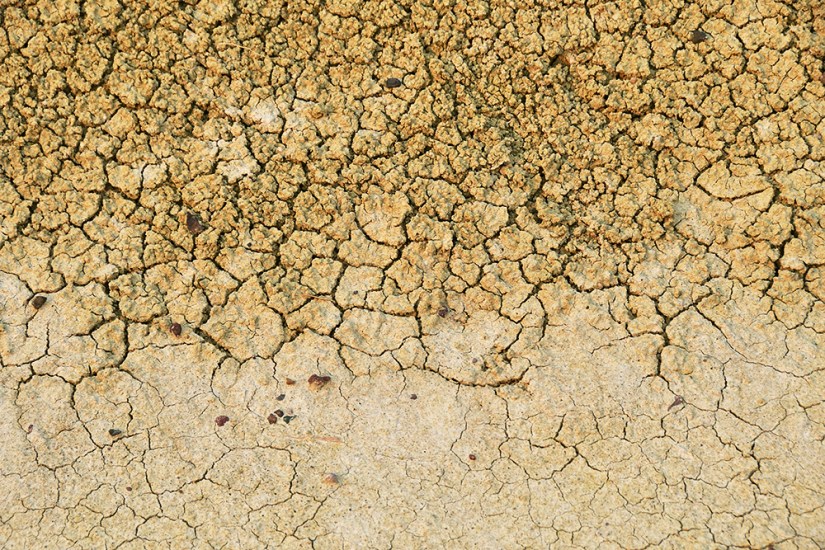
Just down the road was the trailhead for the Painted Cove Trail, a short quarter-mile loop. The trail has a short boardwalk section before descending a short, but steep, hill, and then descending back to the trailhead. Painted Cove Trail allowed us to get right up in the colorful formations.


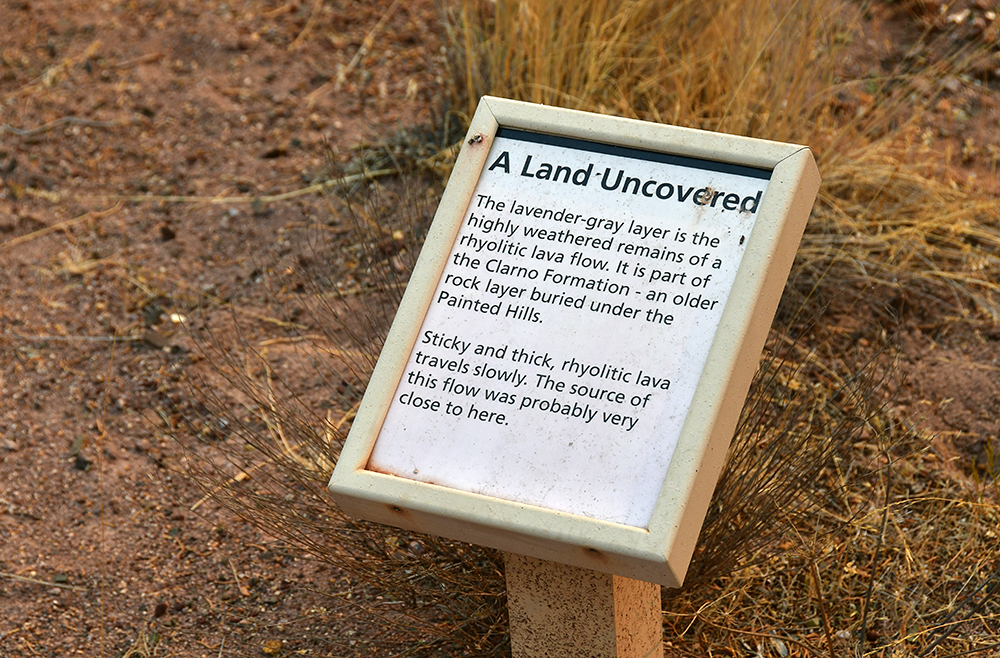


Back in the car, we headed back to US Highway 26 to continue east for an hour to the Thomas Condon Visitor Center, the visitor center for the national monument (and also a paleontology facility). It is located within the Sheep Rock unit.
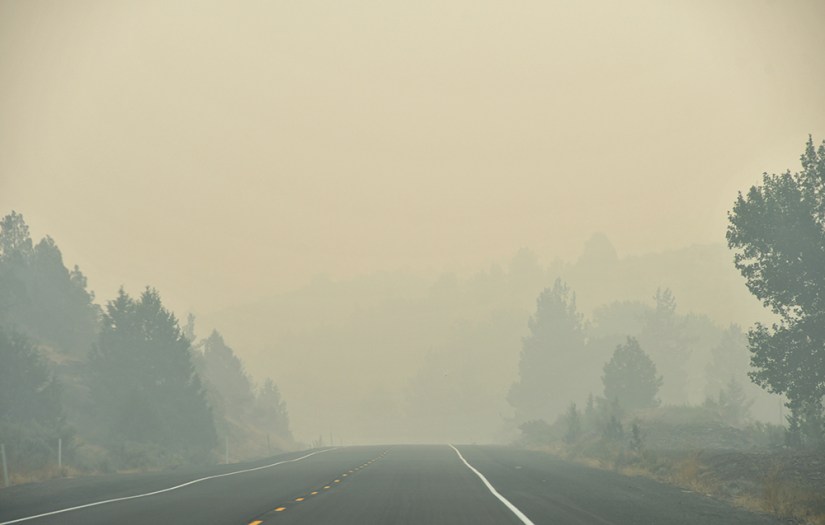


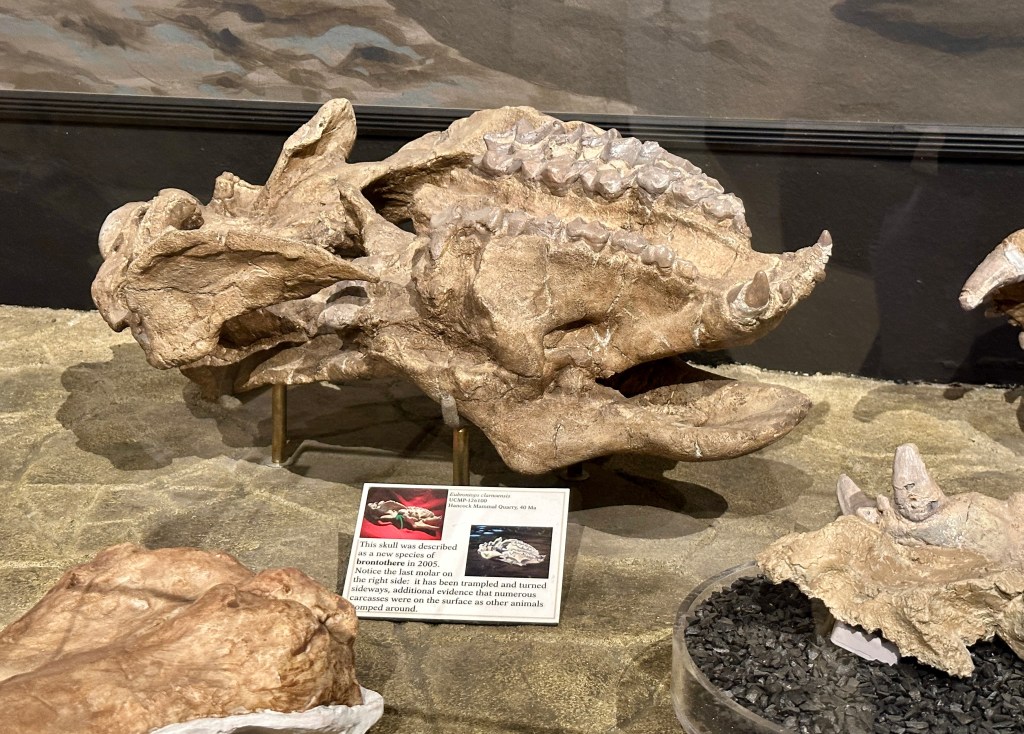
We hustled through the choking smoke (AQI 549 at this point) into the visitor center. The exhibit area is large and very thorough, down to reminding visitors these fossil beds aren’t for dinosaurs. We took our time reading the exhibits before passport stamping and picking up souvenirs (including me buy my final book of the trip… I now had a small library in the car!). We chatted up the ranger, and she dug out some N95 masks left over from the pandemic for Janice (she was driving with her shirt pulled up over her nose in a meager effort to filter the smoke).


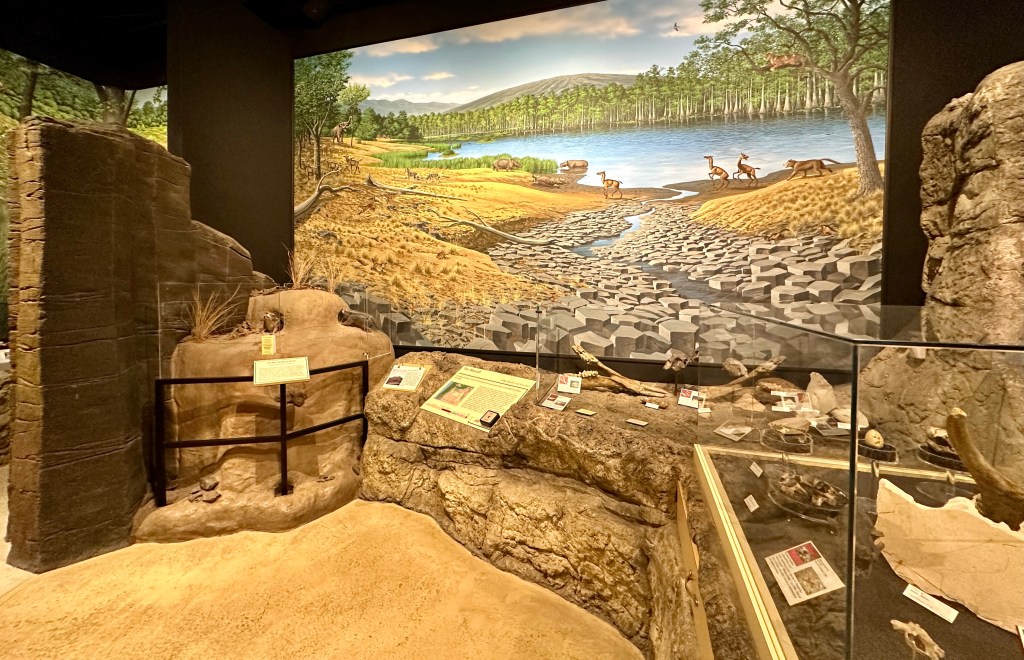
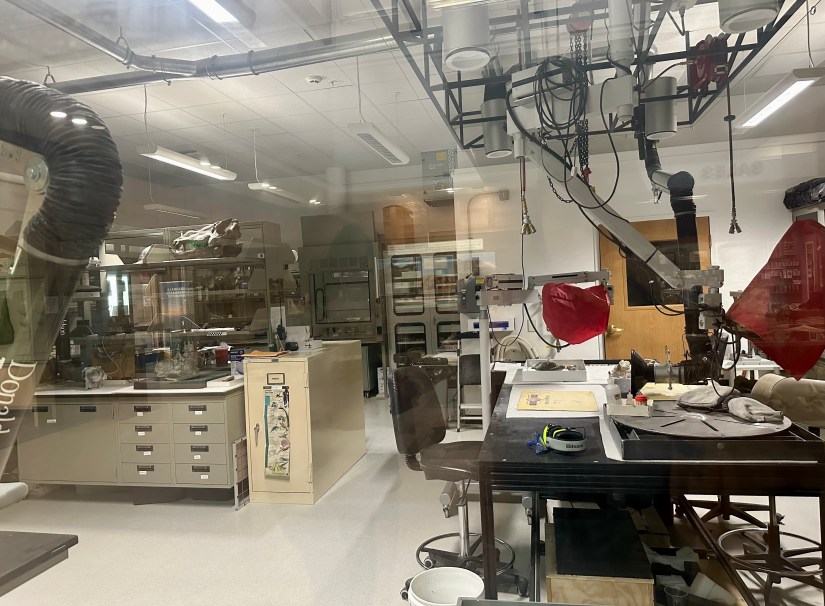


And now we drove… and drove. And drove. We eventually left the horrid smoke behind and were treated to slightly clearer skies as we approached the Idaho border. We stopped for an early dinner at Subway at a truck stop before hopping on I-84. Idaho was spent looking up factoids on Mountain Home Air Force Base, and staring at the flat scenery. Racing sunset, we hit the Utah line, our fifth state of the trip.


Our home for the night was a Holiday Inn Express in Ogden (our first hotel of the trip… on our last night!).
Travel states, facts, & things with no context from Janice and I:
- ~659 miles and 11 hours of driving
- 1 NPS unit
- John Day Fossil Beds National Monument
- Free
- Consists of three widely dispersed units: Painted Hills, Sheep Rock, and Clarno
- John Day Fossil Beds National Monument
- The air was not healthy
- Eastern Oregon, at least the part we saw was… unremarkable
- U-da-ho

September 7, 2024
Another early morning, but we were relieved to have a what we assumed would be a straightforward drive home through Ogden Canyon and across Wyoming on I-80 (a trip we both had done countless times). Things were humming by, until the outskirts of Rawlins when I looked down to my phone and saw I had a travel authorization email from WyDOT. Huh?! I normally only get those during winter!
Well, wouldn’t you know… I-80 was closed east of Rawlins due to massive truck accident. Janice and I pulled off at McDonalds, drowning our angst with Big Macs and Spicy McChickens as we tried to see if there was a way to continue on home without detouring hours north to Casper. Jack Creek Road saved the day, and we joined the hoards of others who discovered this go around, including some really scared looking U-Haul drivers (it was a gravel road detour, through a cattle drive… totally Wyoming).


In the end, this unplanned detour added about 1.5-2 hours to our trip, and we still arrived back in Cheyenne in early afternoon. Janice’s husband met us at my house, and we took to unloading the car (apparently everything we brought was mine?!). I took to unpacking the tent to shake out any Washington spiders on the patio, cleaned out the cooler, and dumped clothes in the washer.
The great Pacific Northwest trip done and dusted! Thanks for coming along over these 15 blog posts 🙂
Travel states, facts, & things with no context from Janice and I:
- ~469 miles and 7 hours 40 minutes of driving
- … not too many random musings left




Leave a Reply