

A sign of a good vacation is when you come home even more exhausted than when you left, right? My latest adventure to Washington sure felt like that! The main objective of the trip was summiting Mount Adams, but my bestest adventure bud, Eric, and I were just not just going to stop at a volcano climb. Here’s a part one of the little wrap up of the whirlwind adventure we had!


Fort Vancouver National Historic Site
After picking me up at PDX after an early morning flight and repacking some things in Eric’s hotel room, we headed to Fort Vancouver National Historic Site in Vancouver to nab my 81st National Park Service unit. Because NPS can summarize things better than I can:
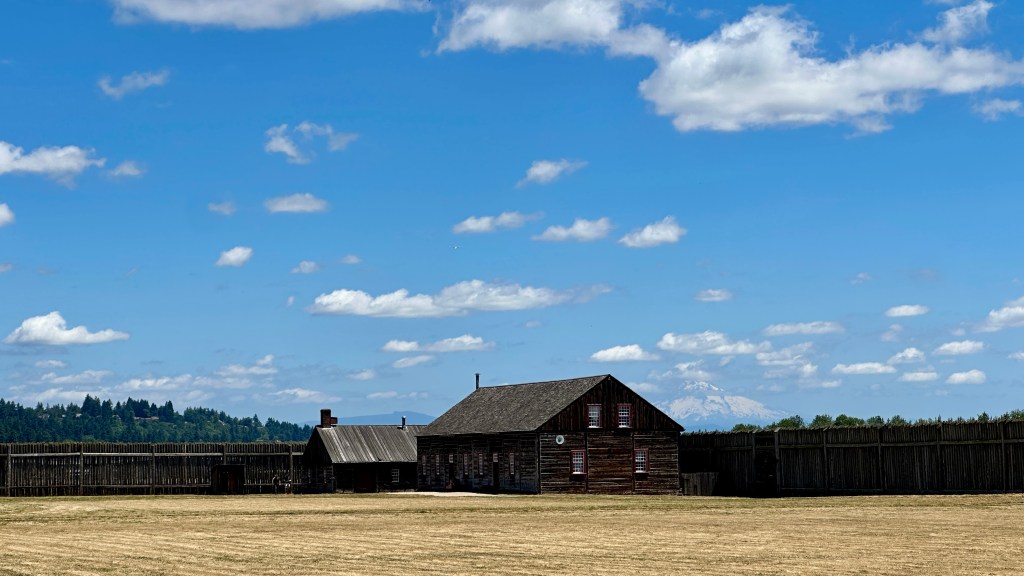
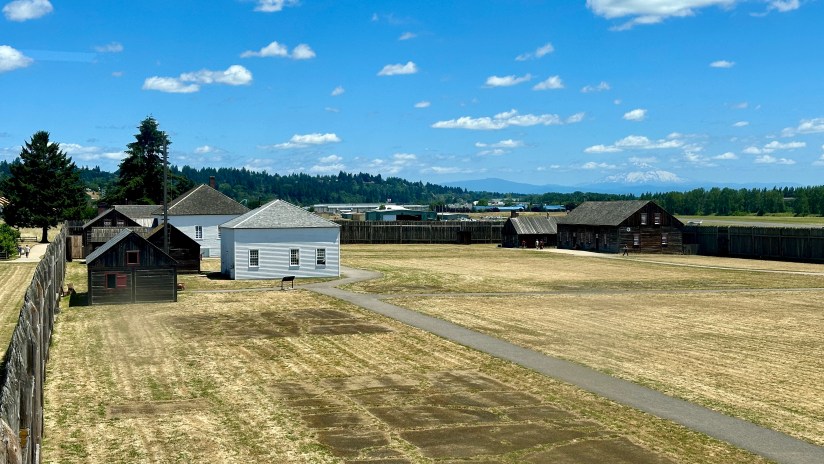
The London-based Hudson’s Bay Company established Fort Vancouver in 1825 to serve as the headquarters of the Company’s interior fur trade. The first Fort Vancouver was located on the bluff to the northeast of the fort’s current location, where it was relocated in 1829. The fort served as the core of the HBC’s western operations, controlling the fur business from Russian Alaska to Mexican California, and from the Rocky Mountains to the Pacific Ocean. Vancouver was the principal colonial settlement in the Pacific Northwest, and a major center of industry, trade, and law.
The Village to the west of the fort was Vancouver’s first neighborhood. The employees of the Hudson’s Bay Company lived there with their families in simple one or two room cabins. The Village was incredibly diverse, a community of people whose homelands spanned half the globe.
In 1866, the fort burned to the ground. What can be visited today is a reconstruction built on the archaeological footprint of the original fort.
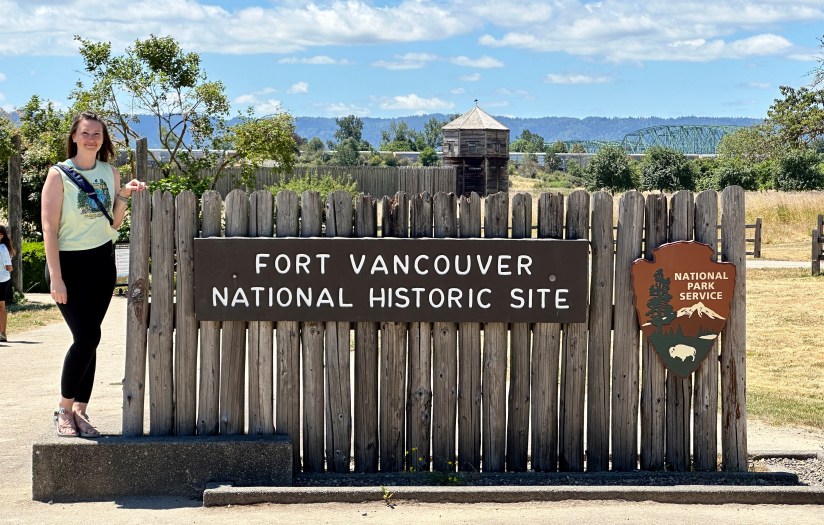
The national historic site was established in 1961, after being a national monument since 1948. There are actually two locations that make up the unit – Fort Vancouver and McLoughlin House in Oregon City. We would only be visiting the Fort Vancouver part on this trip. We first headed to the visitor center for the standard passport stamping and souvenir buying activities. We wandered around the area immediately around the visitor center, not sure what we were suppose to be seeing.

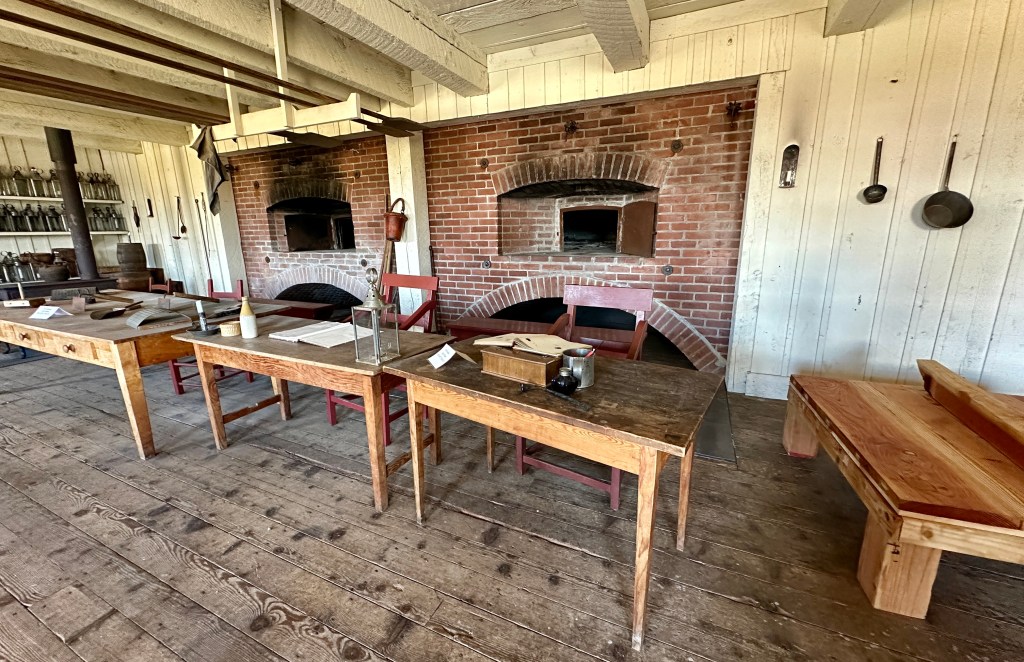
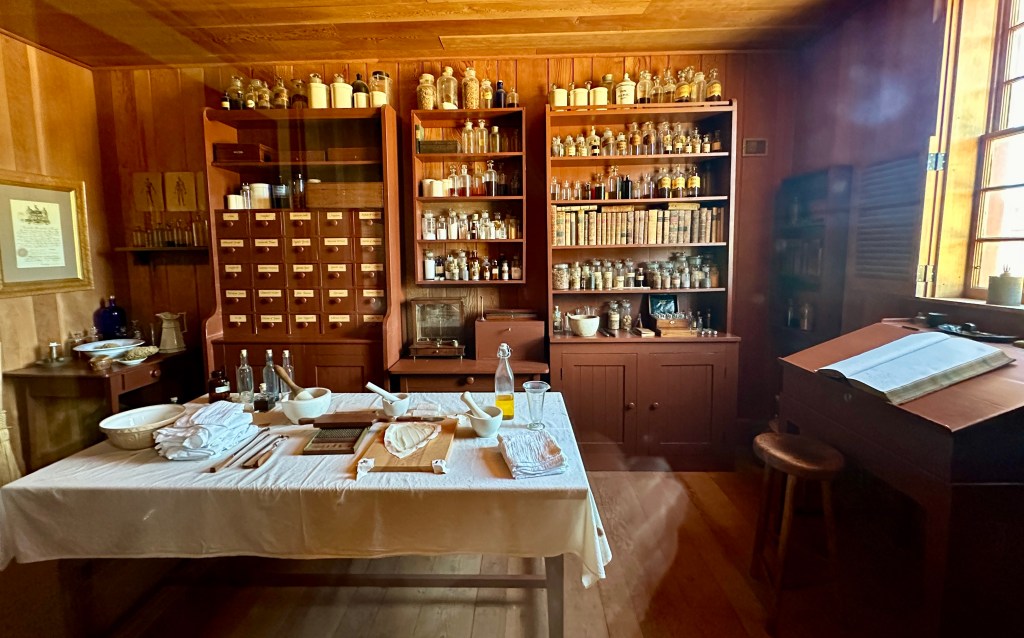
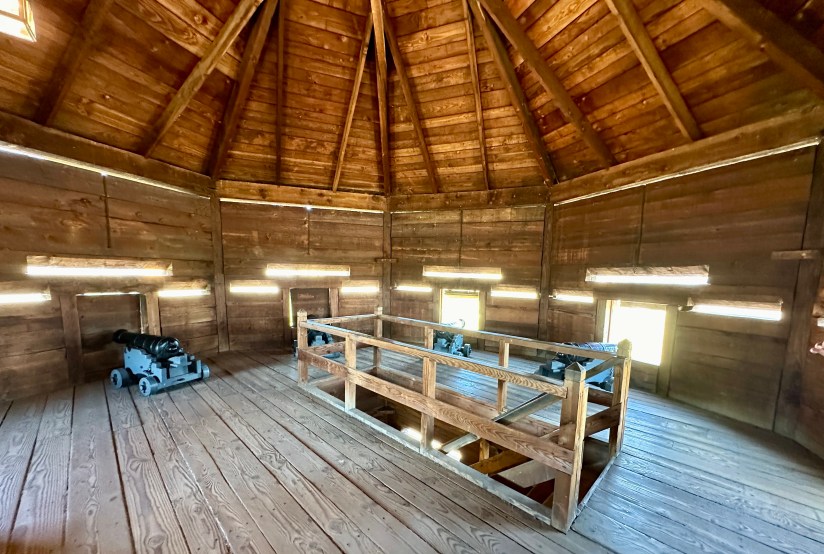
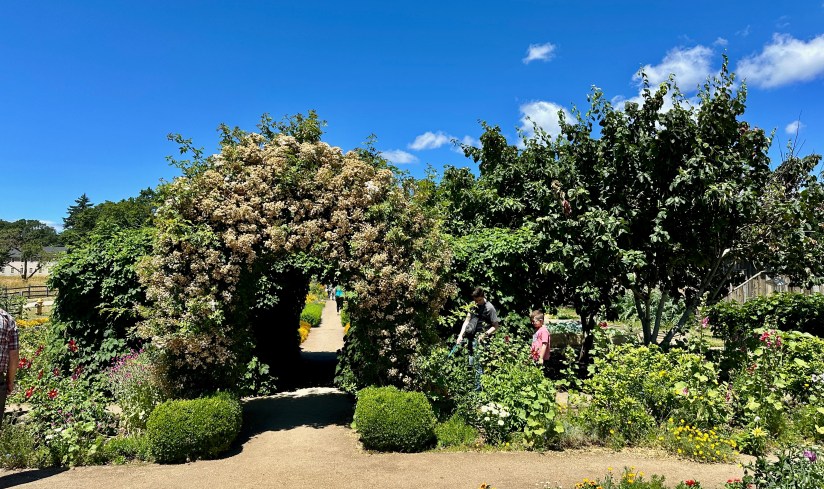
After a handful of minutes, we decided to head back to the truck… and then we found the actual restored Fort Vancouver. I’m glad we actually found something more than the visitor center (I didn’t really research before this visit, clearly). We headed towards the rebuilt fort, showed my America the Beautiful federal lands pass (saving us $10 a piece), and spent time wandering the various buildings and exhibits.
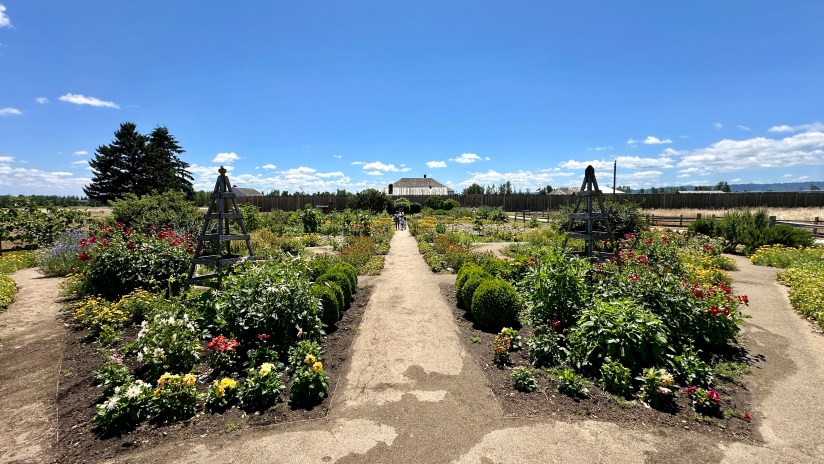


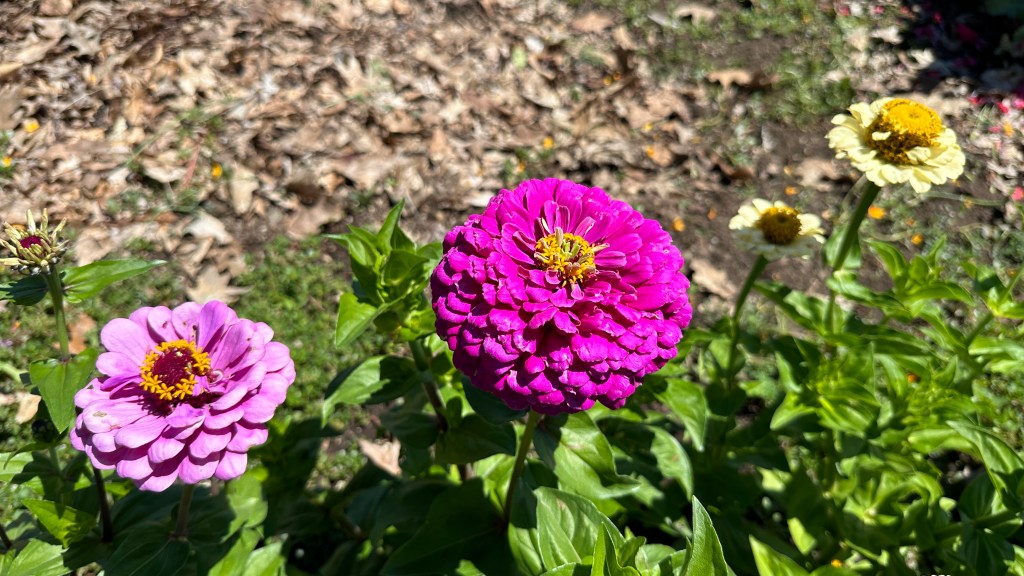


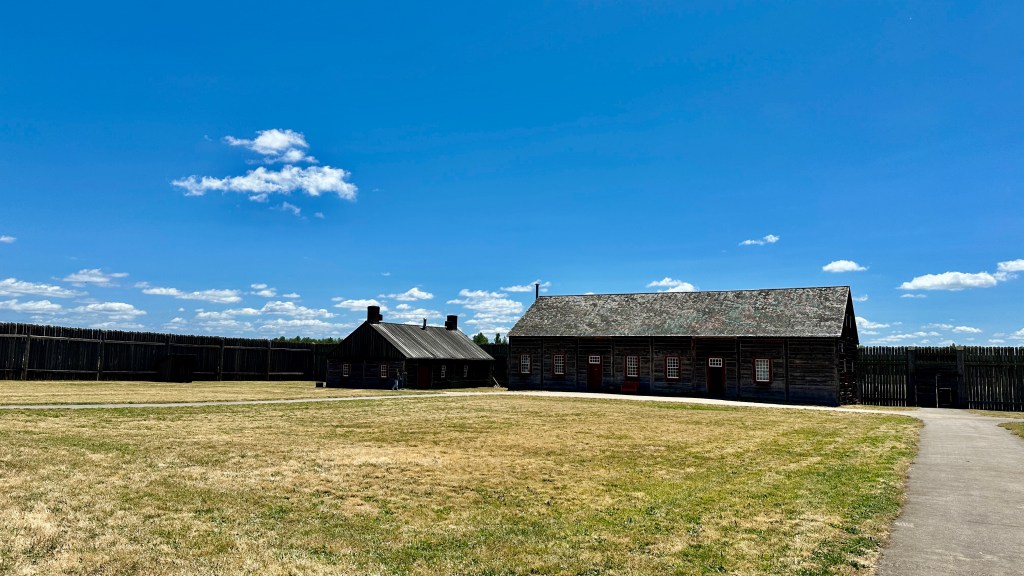




Beacon Rock
I was quickly losing steam (I had been up since 1am MDT after all…), but Eric had more adventures planned as we headed towards the general vicinity of Mount Adams. Eric had not done much hiking lately and I probably needed to stretch out my legs, so we stopped at Beacon Rock State Park in the Columbia River Gorge for a quick jaunt up the famous and historic trail to the summit of Beacon Rock.

Once the core of a volcano that survived ice-age flooding, Beacon Rock stands 848 feet tall. The Beacon Rock Trail was built by Henry Biddle and Charles Johnson between 1915 and 1918, giving access to the summit after climbing 680 feet in 52 switchbacks. The 1.8 mile hike is worth it just to experience the engineering that went into the trail!

It was hot and I swear I was falling asleep while walking, but the quick hike was worth it! It is surprising how forested the trail considering you’re on this big basalt monolith! The trees did block the view a bit on the summit, but it was still nice to look down on the Columbia River.


Bonneville Lock & Dam
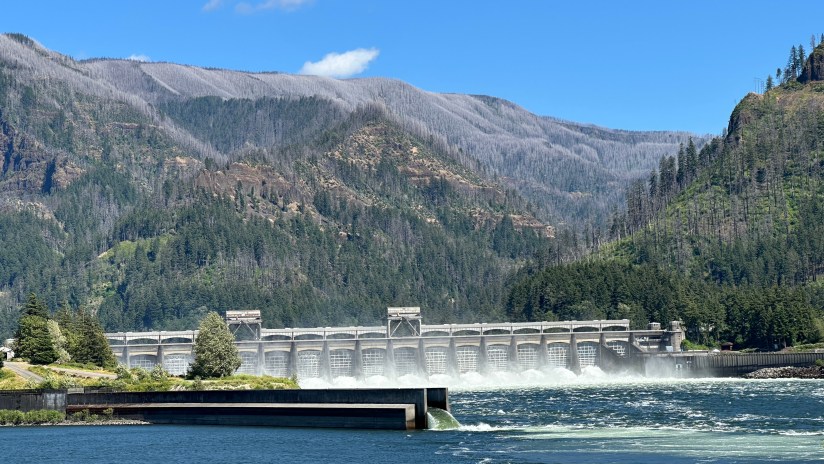
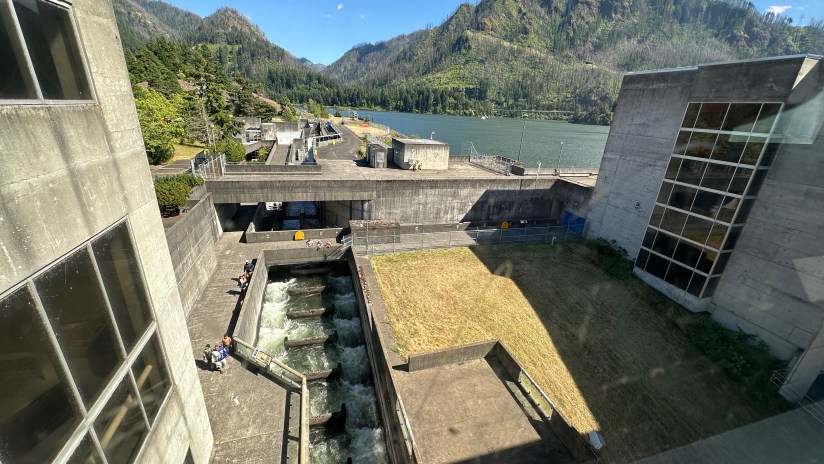
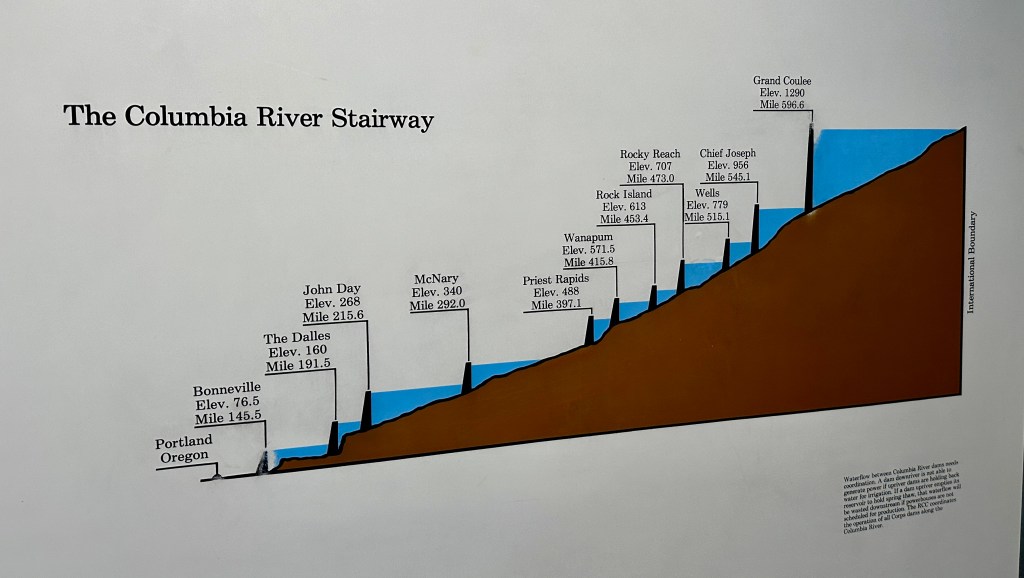
My never-ending quest for passport stamps led us to Bonneville Lock & Dam since we were coming through before the visitor center on the Washington side would be closing. We thought this would just be a quick stop for some stamps at the visitor center, but surprise! There was a self-guided tour and we were able to see the hydroelectric power plant! Another level brought us to the Fish Viewing Center, where we observed the salmon ladder, and disgusting lampreys stuck on the glass (seriously tramuatized by them… so much yuck!)




House Rock
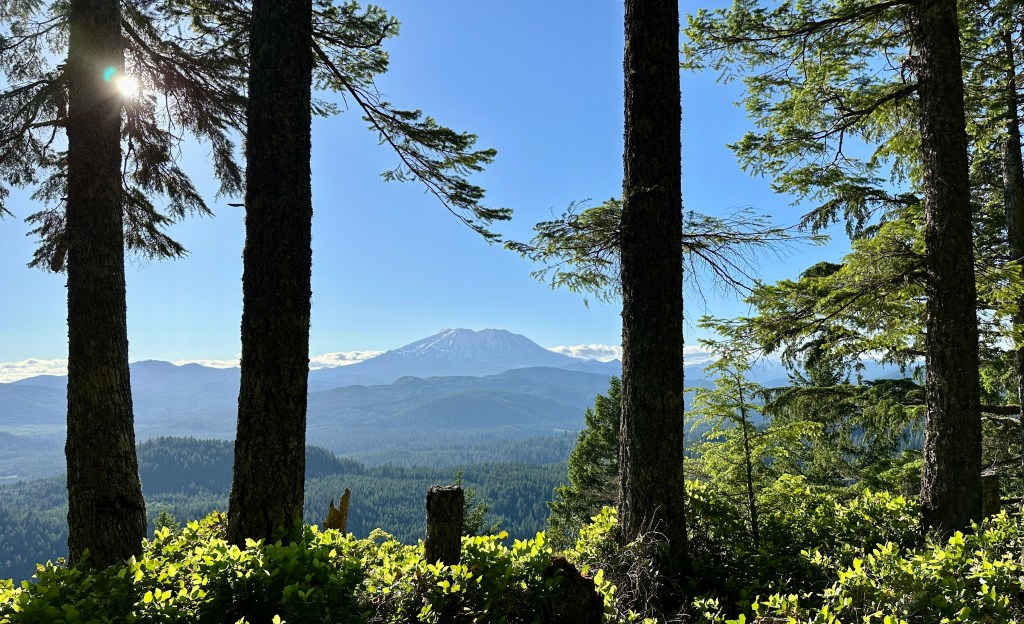
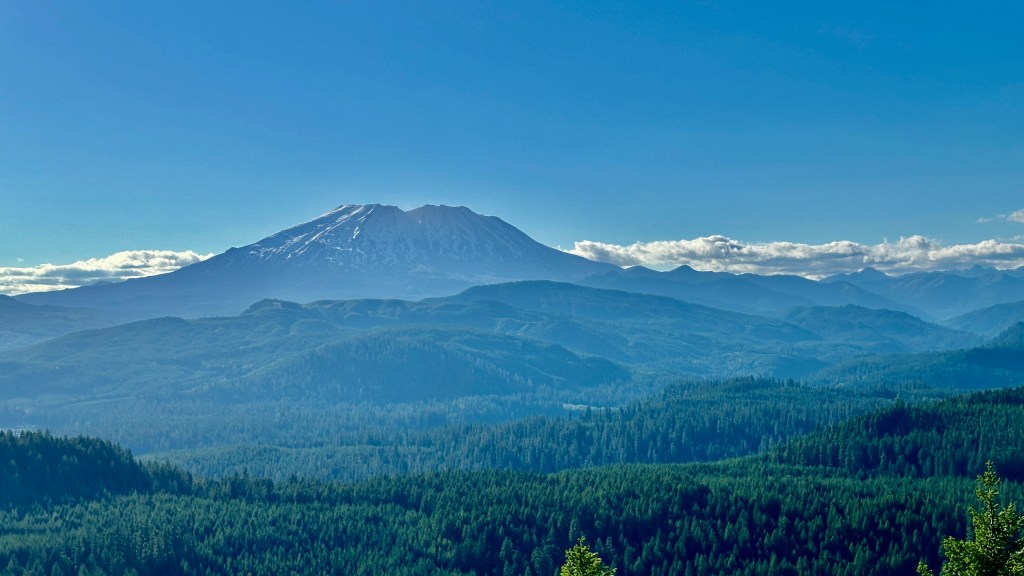
There are 93 fire lookout towers still standing in Washington, and we were off to find one of them! Into Gifford-Pinchot National Forest we went, catching glimpses of Mount St. Helens through the trees (damn, Washington sure has a lot of trees!). The forest roads turned progressively more rugged (but yet still so much nicer than our typical ones in Wyoming and Colorado).

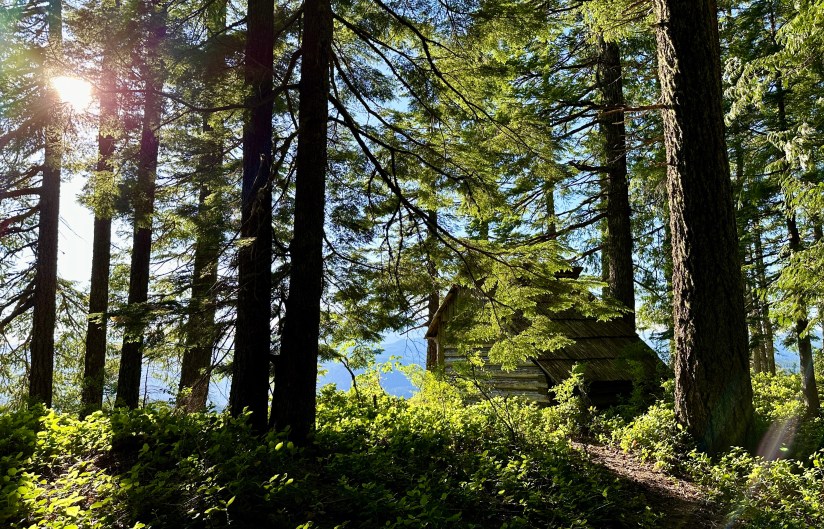
Finally near the end of Forest Road 9310-240 we parked and started out on a super short trail that led to the summit of House Rock, and the location of a three-sided Adirondack shelter built in 1935 that served as an emergency fire lookout (the shelter was restored in 1991). Mount St. Helens greeted us to the northwest as evening sun flittered through the leaves. It was well worth the forest road adventure!

Campsite Night #1
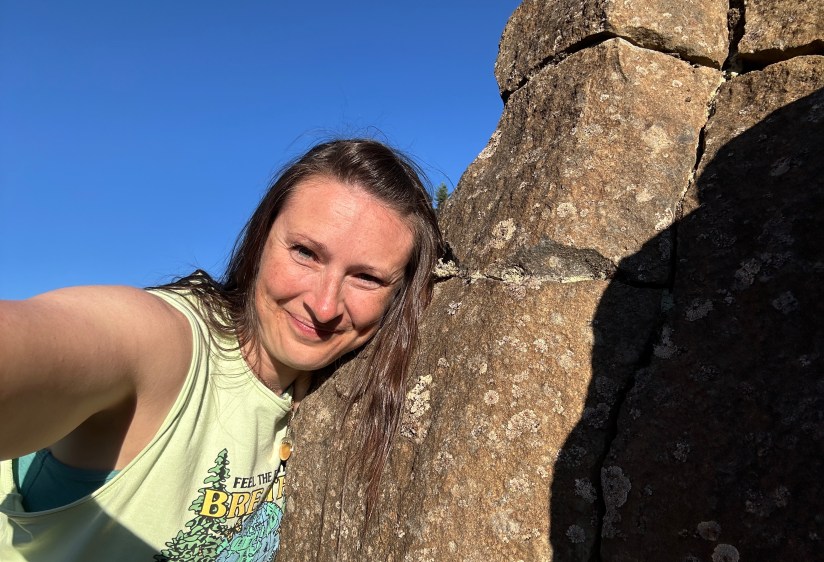
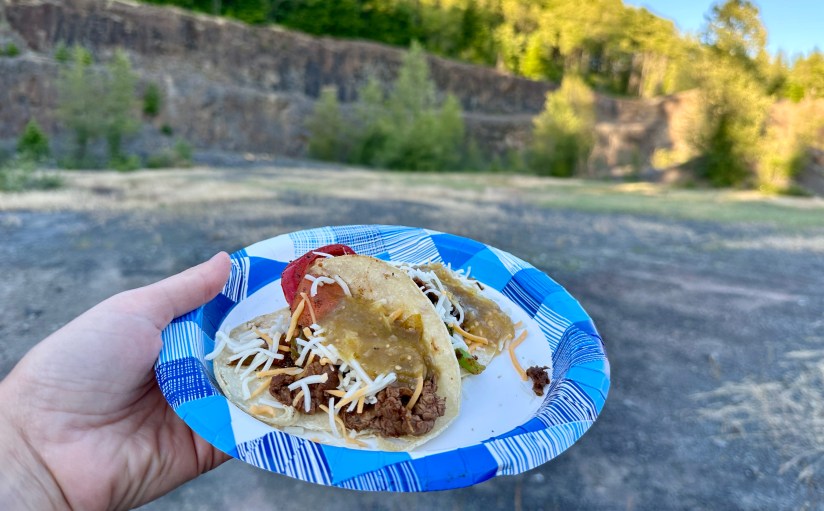
After wrapping up House Rock, we headed back down the forest road and came across an amazing spot to camp complete with BASALT COLUMNS!!! I really don’t need to say more than that! Fajitas were made, and I crashed out to sleep fairly quick thanks to the dark AluCab tent and utter exhaustion from twenty (or more) hours being awake!


McClellan Viewpoint
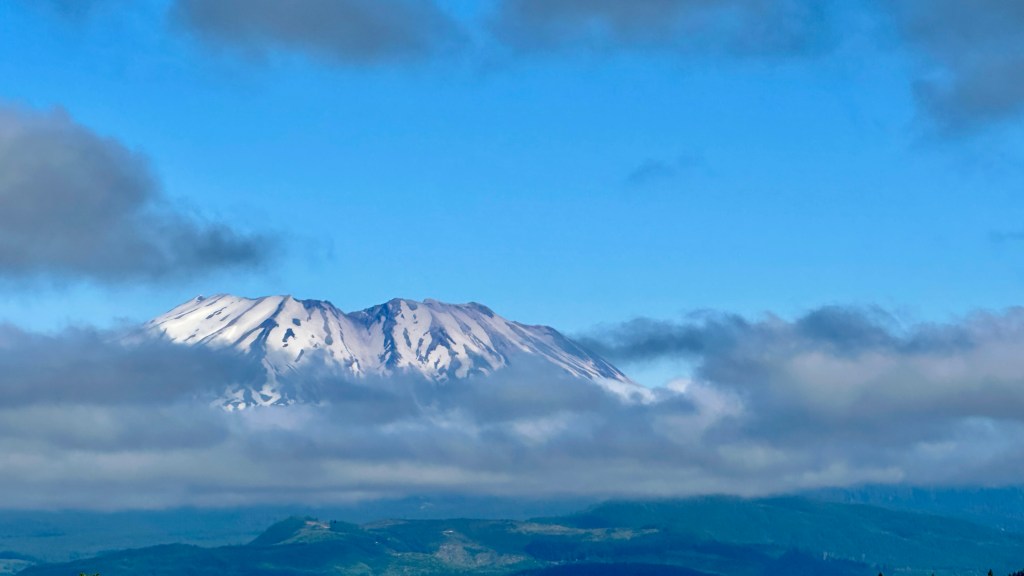
On our way to Trout Lake the next morning we made a point to stop at the McClellan Viewpoint, which offers a stunning view to Mount St. Helens (and vault toilets for those who may need them!)

Part 2 will be coming up with Takhlakh Lake, Burley Mountain, Ohanapecosh area of Mount Rainier National Park, Suntop Fire Lookout, and Fremont Fire Lookout in Mountain Rainier National Park!

 The Adventuring Heidi
I love climbing Beacon Rock!
LikeLiked by 1 person