
October 16, 2026
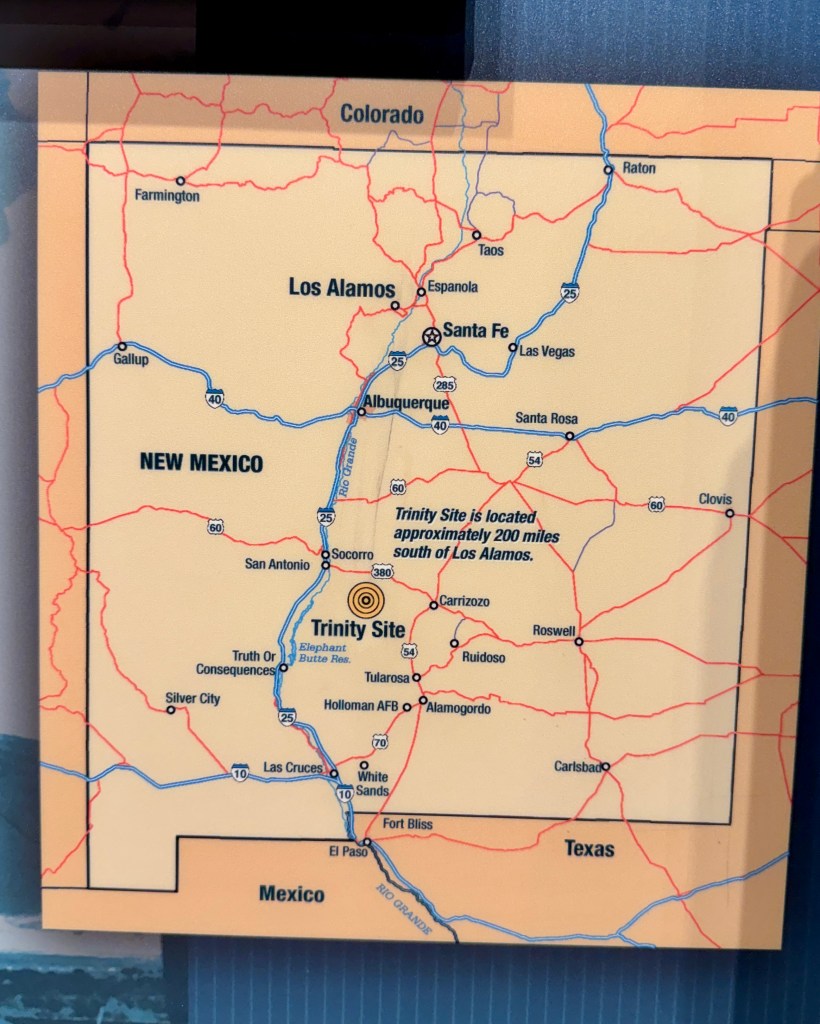
The day has come to transition from the Ancestral Pueblo people to nuclear bombs! (What a sentence to write?!) Well, kinda of. There was still some petroglyph seeking to be had before kicking off the main reason for this trip, would could culminate the next day at the Trinity Site. I’ve been strangely obsessed with radioactivity since a child (I’m weird… and Chernobyl still tops my bucket list, on there since 1996!), and though not one for war history, I do enjoy WWII and Cold War history, especially since I lived during the tail end of the Cold War and have spent most of my life surrounded by nuclear missiles living in southeastern Wyoming.
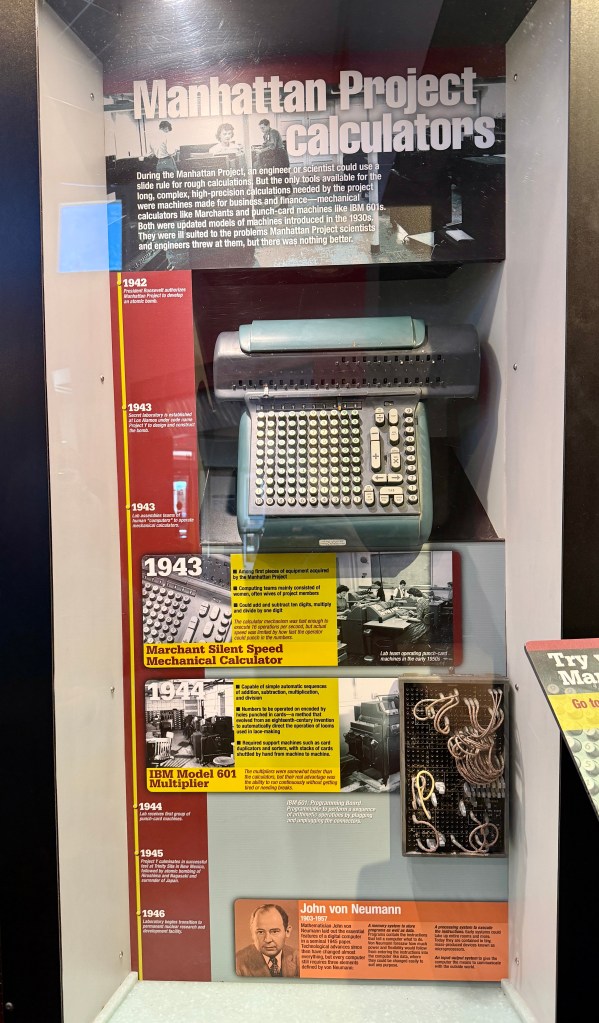
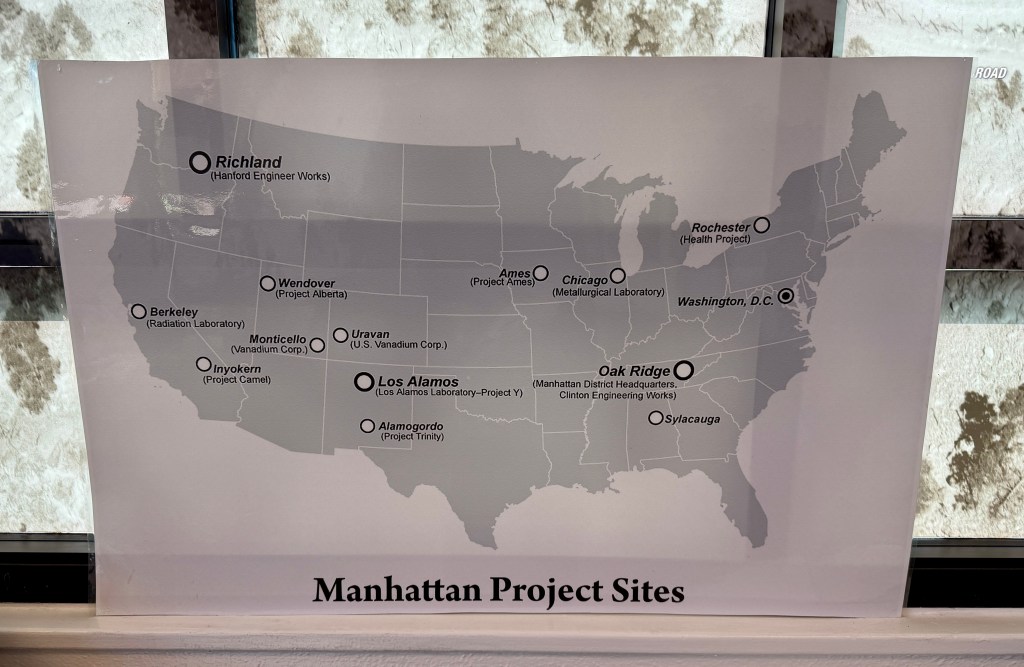
The Manhattan Project was an unprecedented, top-secret World War II government program in which the United States rushed to develop and deploy the world’s first atomic weapons before Nazi Germany. The use of these weapons by the United States against Japan in August 1945 ultimately became one of the most important historical events of the 20th century. The project ushered in the nuclear age and left enduring legacies that echo all around us today. The Manhattan Project took shape at three primary locations across the country: Hanford, Washington; Los Alamos, New Mexico; and Oak Ridge, Tennessee.
National Park Service – https://www.nps.gov/mapr/learn/manhattan-project.htm
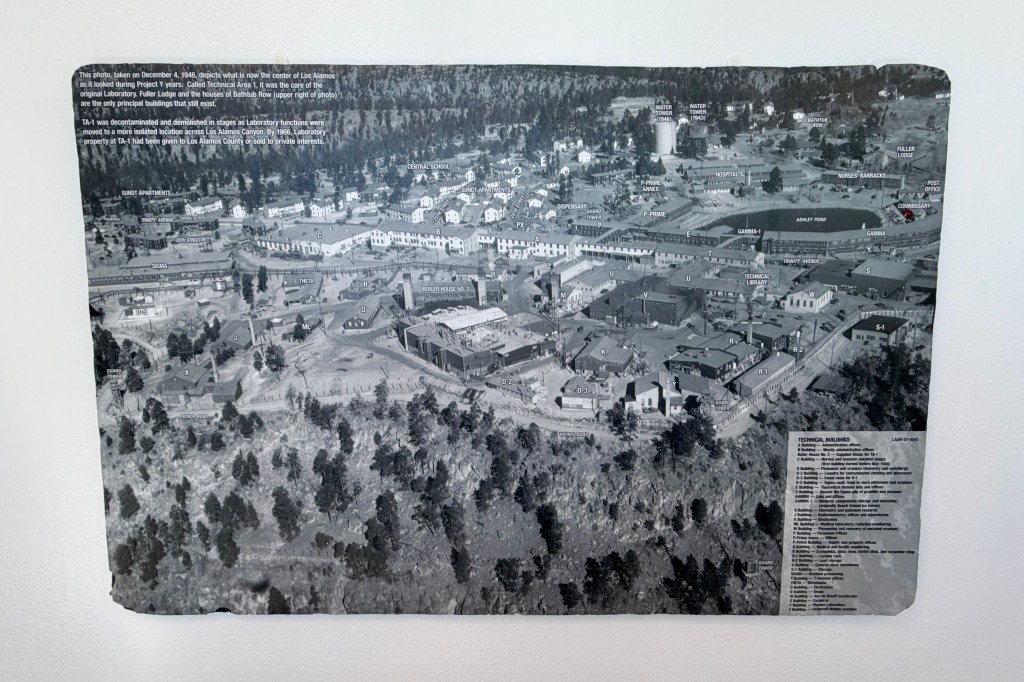
Manhattan Project National Historical Park is a unique NPS unit spread across three states (Washington, New Mexico, and Tennessee). The location in Los Alamos has a visitor center (strangely located next door to Los Alamos Visitor Center… in the same building, both with two different passport stamps), and then you can self-tour around to various places throughout the community, including the house Oppenheimer lived in, a reconstructed Main Gate, and the Bradbury Science Museum (run by Los Alamos National Laboratory [LANL], not NPS)
Building the bombs themselves was not an easy task. Precise calculations and countless hours of experimentation were required to obtain the optimum specifications of size and shape. In early 1943, General Groves set up a bomb design and development laboratory at Los Alamos, New Mexico, with some of the world’s foremost scientists under the leadership of J. Robert Oppenheimer. The laboratory sat atop the Parajito Plateau in an isolated area in northern New Mexico. The uranium bomb utilized a straightforward gun method for creating a critical mass and nuclear explosion. In 1944, scientists determined that a gun-type bomb would not work for plutonium. They turned to the theoretical and extremely complex implosion method. Uncertain that it would work, officials tested the implosion method at the Trinity site in southern New Mexico on July 16, 1945. The Trinity Test ushered in the nuclear age with the world’s first human-caused nuclear explosion.
National Park Service – https://www.nps.gov/mapr/los-alamos.htm
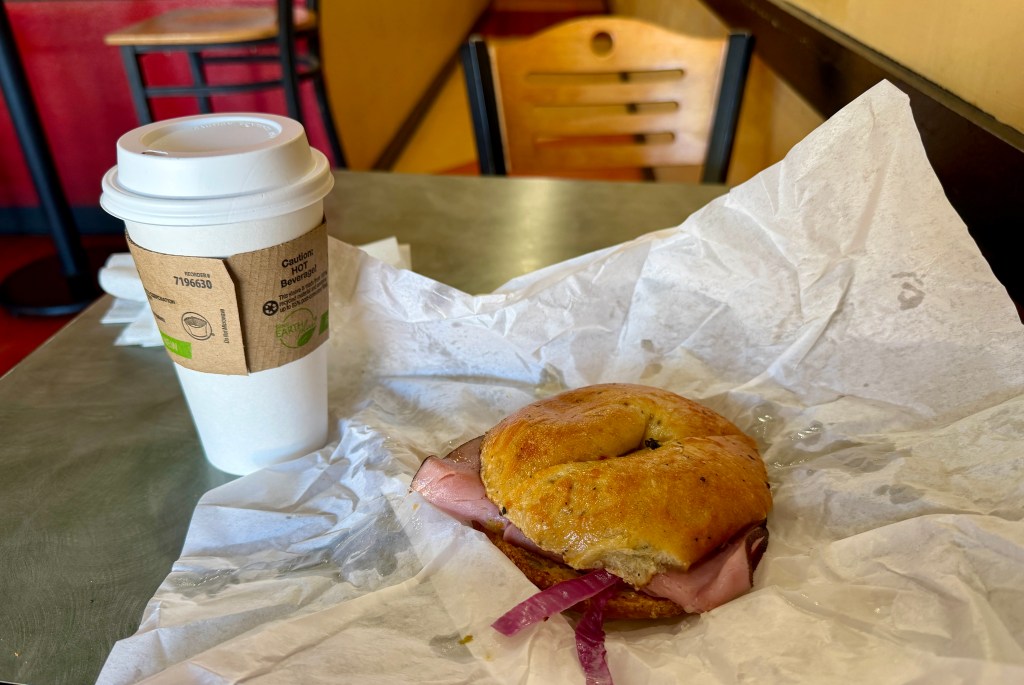
Lindsey and I ate an enjoyable breakfast at Ruby K’s Bagel Cafe, where I enjoyed the “Jack & Eggs” on a green chile bagel and steaming hot latte. I was starting to realize the “green chili” I so love is not the same as the “green chile” found all over New Mexico, which is literally just the chili peppers themselves. Here I thought I’d be getting a bagel sandwich smothered in chili, and instead had one loaded with spicy peppers. So that’s the difference between the I and the E in the words. Good thing I like both chili and chile!
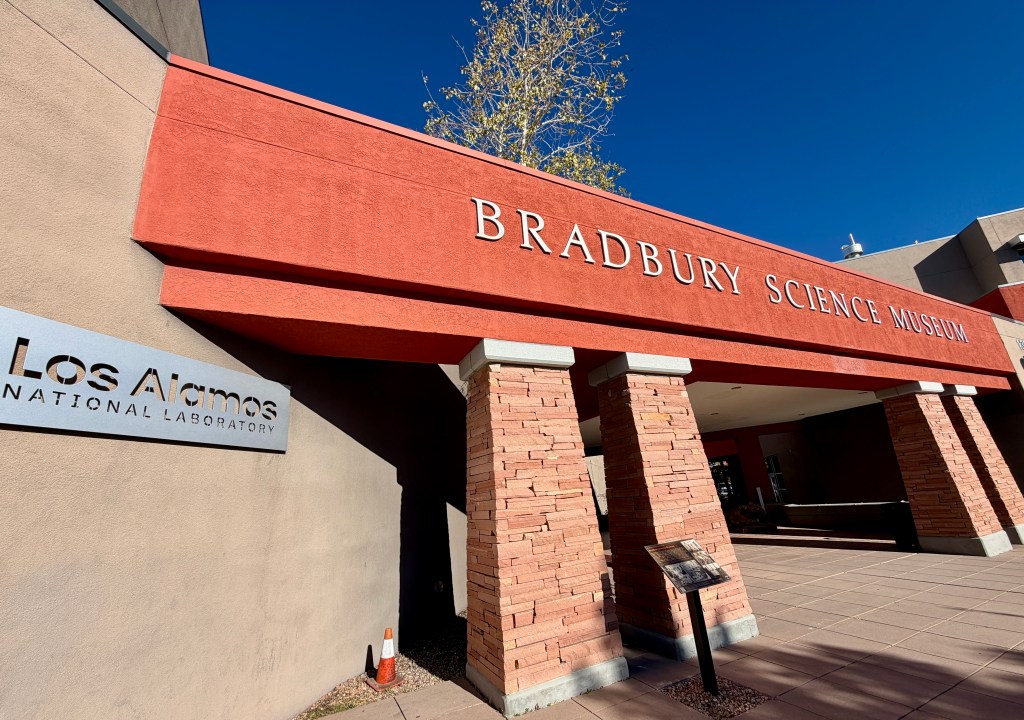
With breakfast killing enough time for 9am to roll around, we then headed on the short walk down to the Bradbury Science Museum, the official museum of Los Alamos National Laboratory. This free museum is absolutely wonderful, and covers not only the Manhattan Project, but has exhibits on the lab’s current research (Lindsey and I geeked out over the vaccine development portion quite hard!), Cold War-nuclear age, and modern day “all things atomic.” The museum officially divides the exhibits into History, Defense, and Research. There’s also a gift shop, which of course we both love (yay trinkets!).
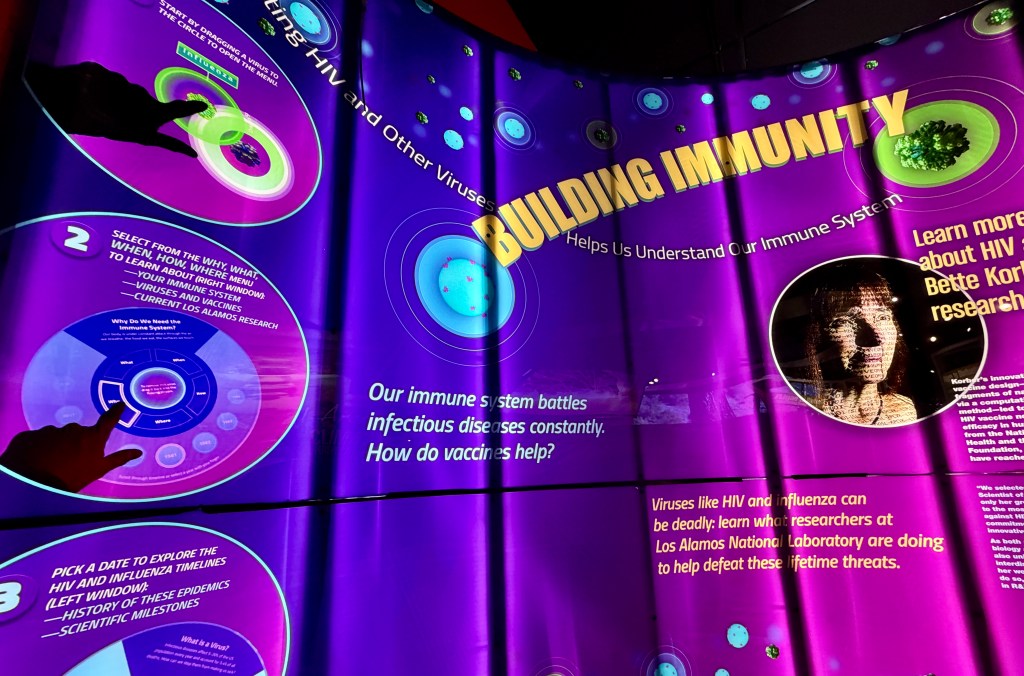
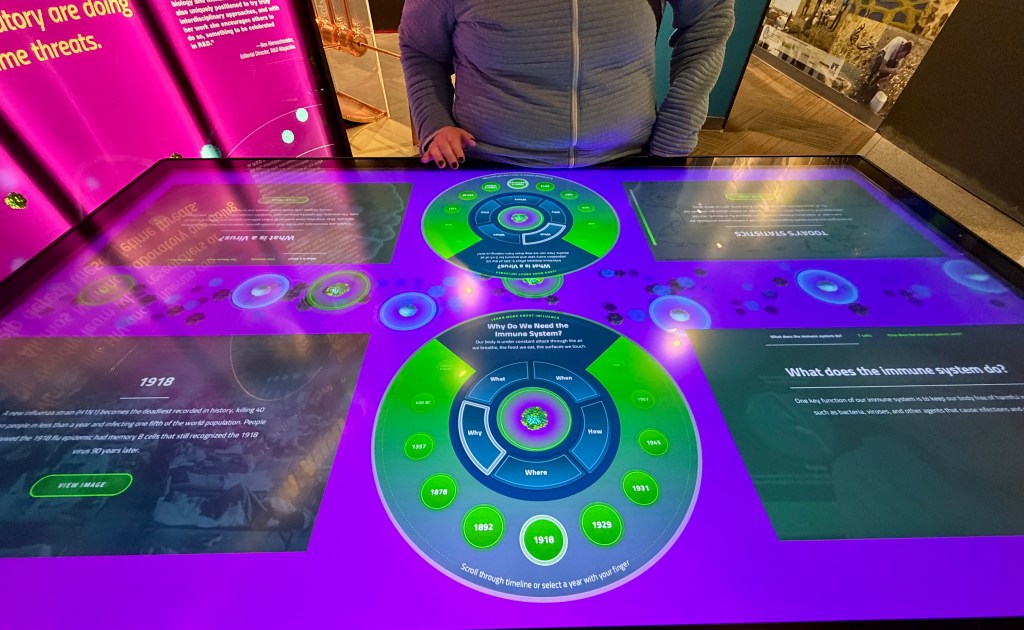
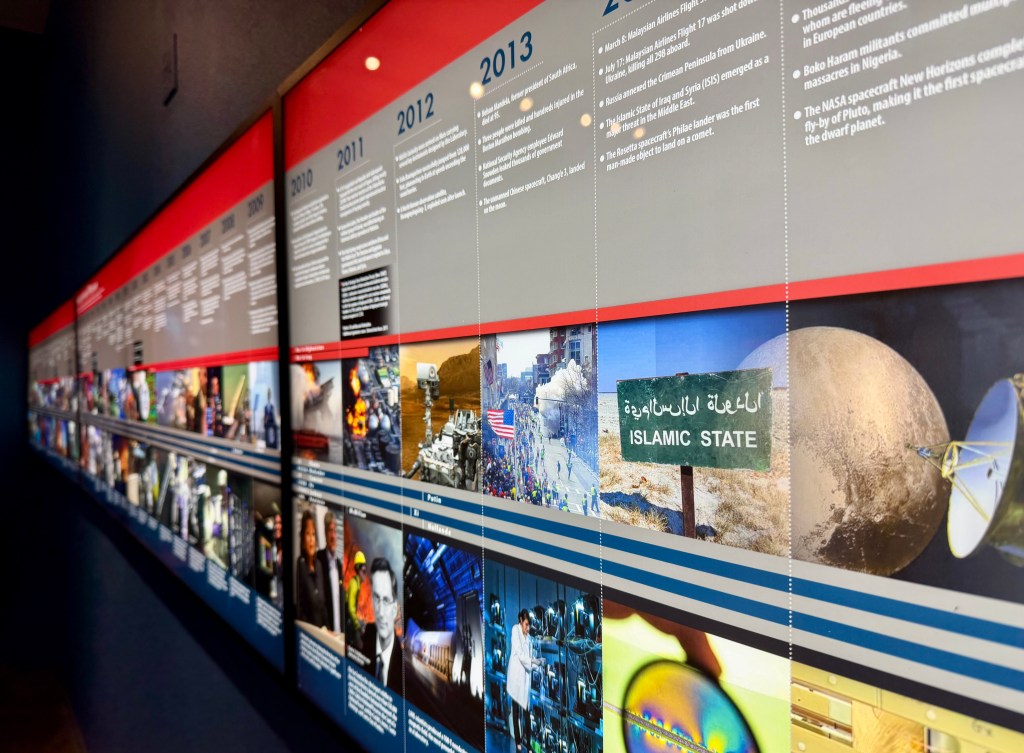
I would say the bulk of visitors at the museum were going to the Trinity Site Open House the next day, and we even recognized people who were at Valles Caldera the previous day. It almost felt like all working on the same group project! This made the exhibits quite crowded at times, but Lindsey and I seemed to be able to time things around the museum film to get some elbow room. My favorite exhibit was the big timeline panel, which started in 1938 and goes to today, and showcases key points in history along with LANL research.
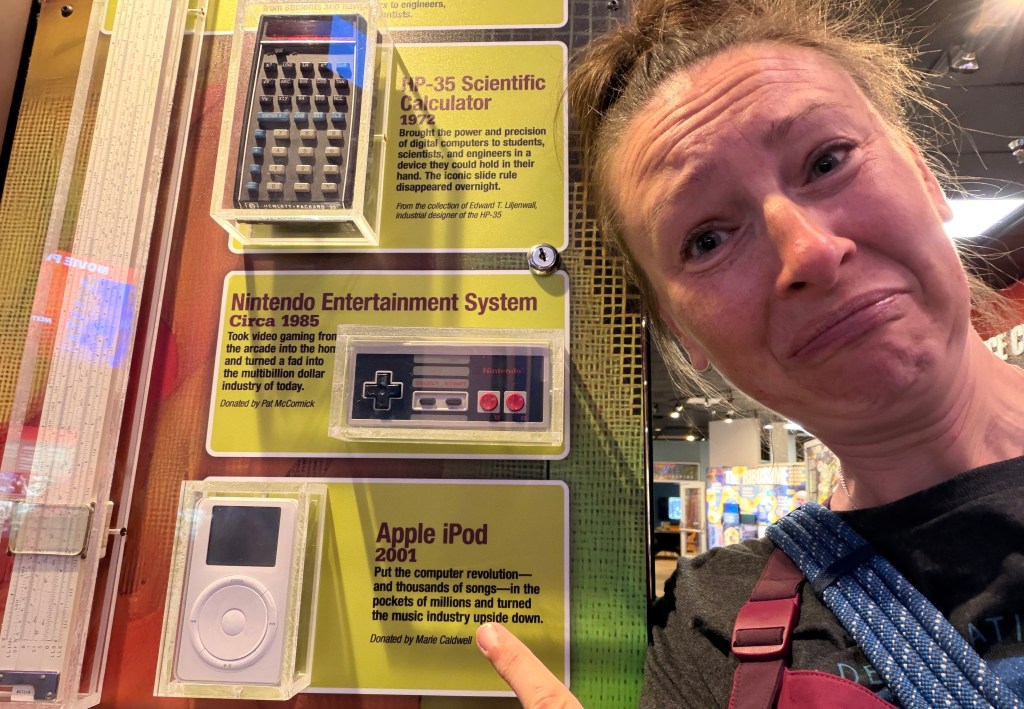
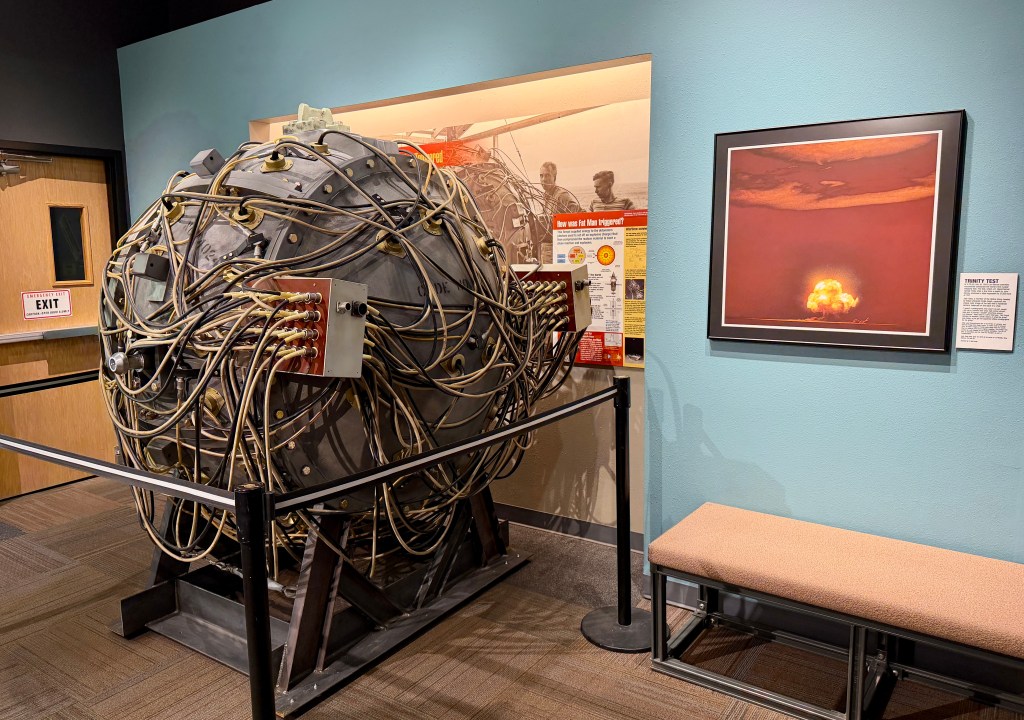
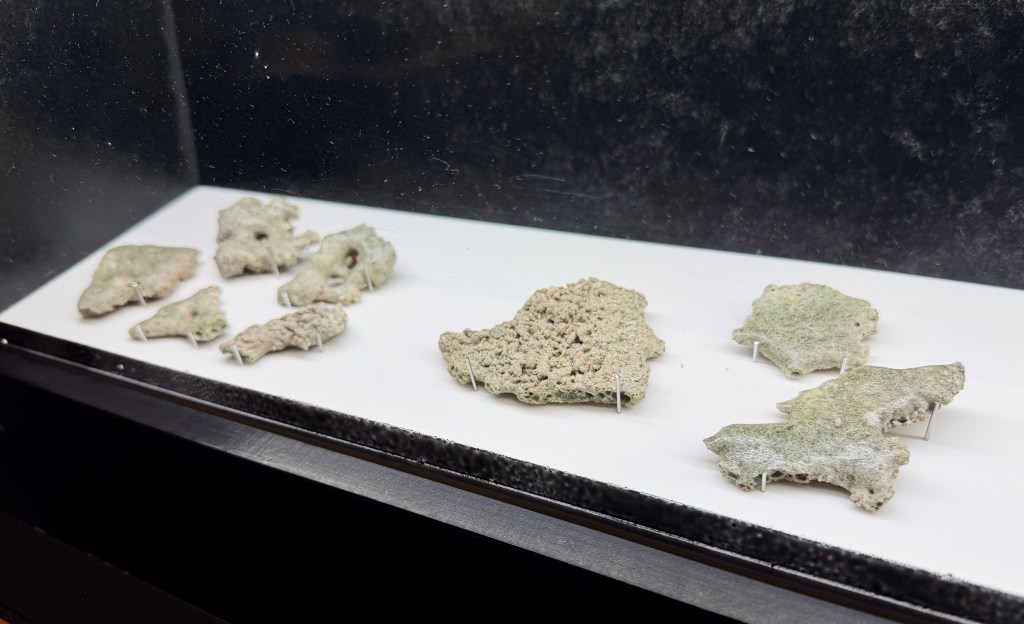
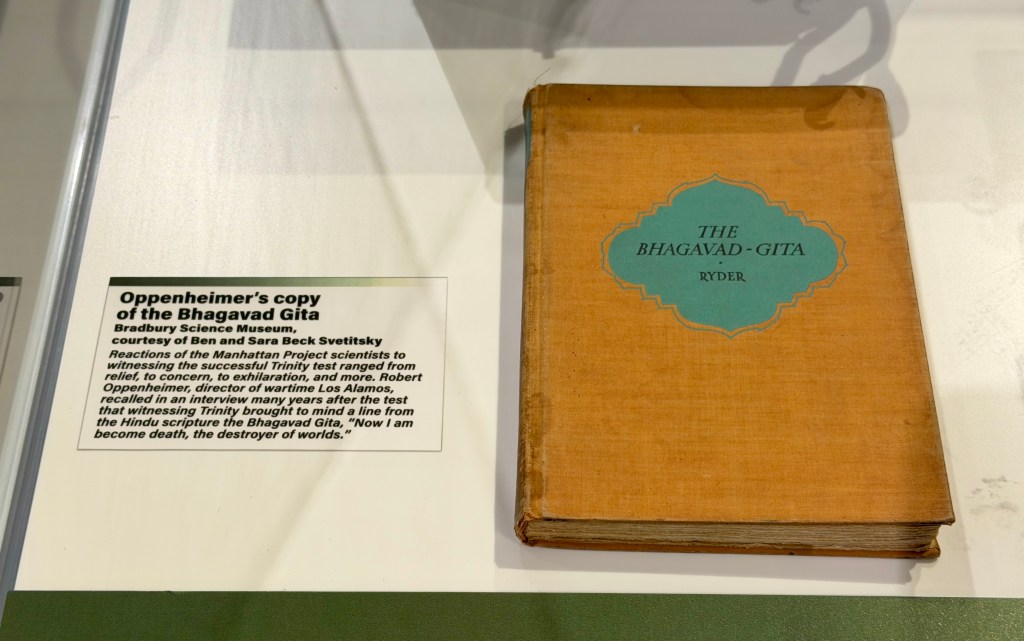
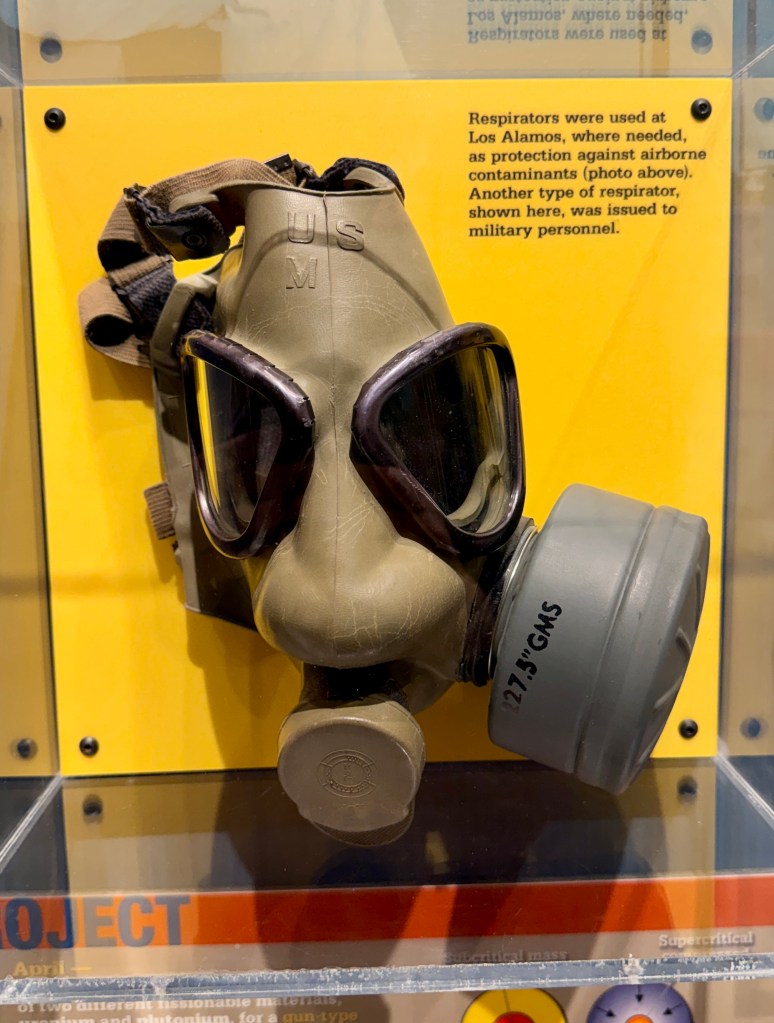
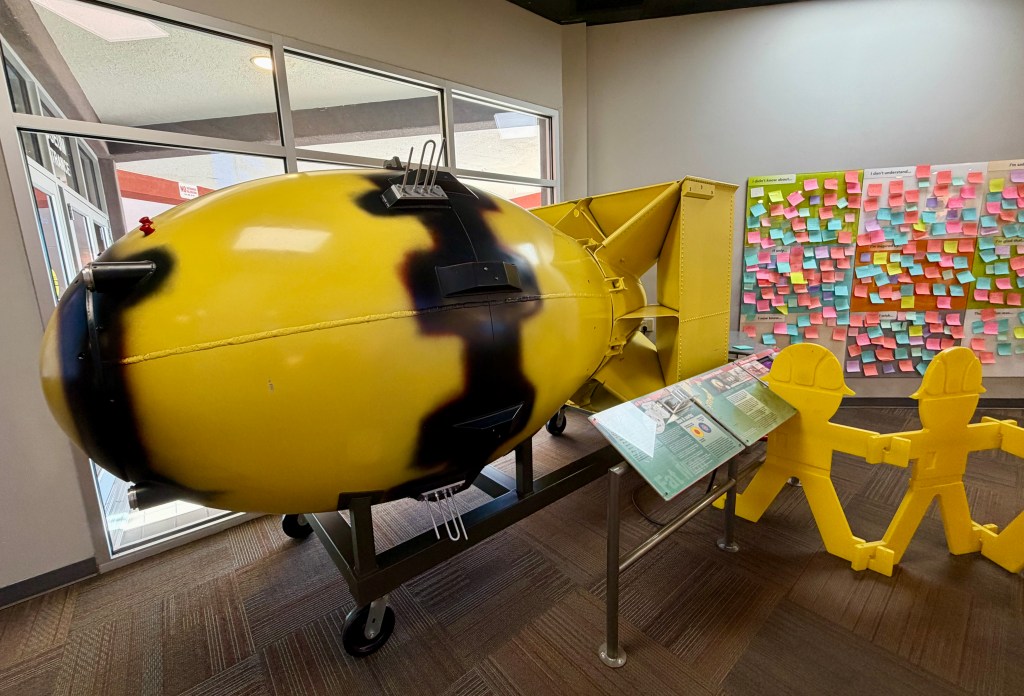
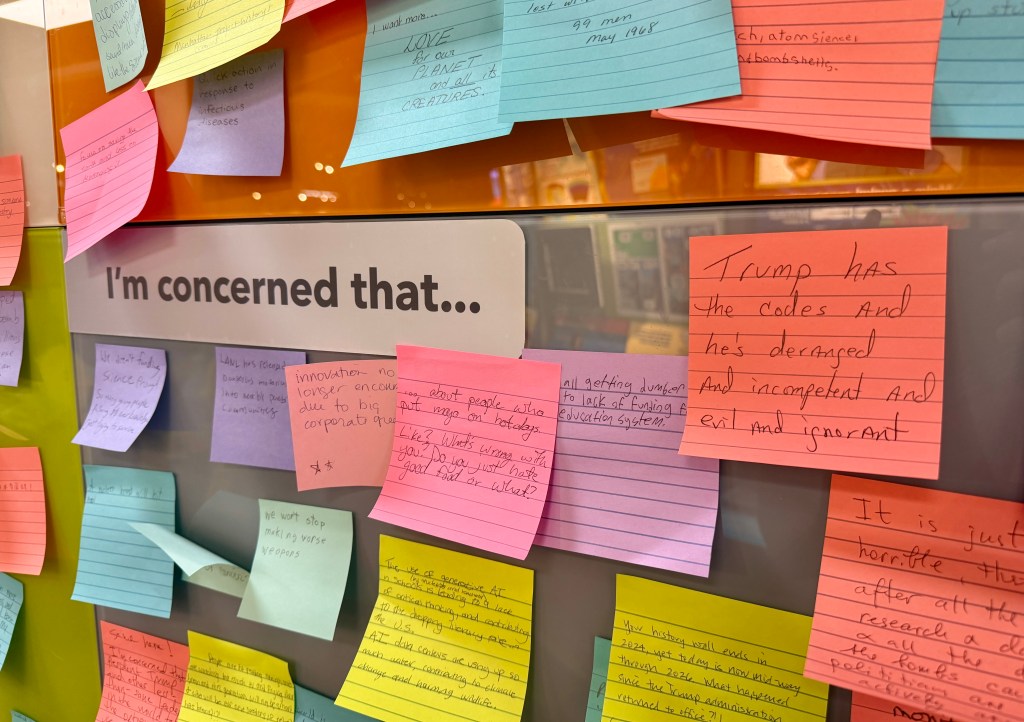
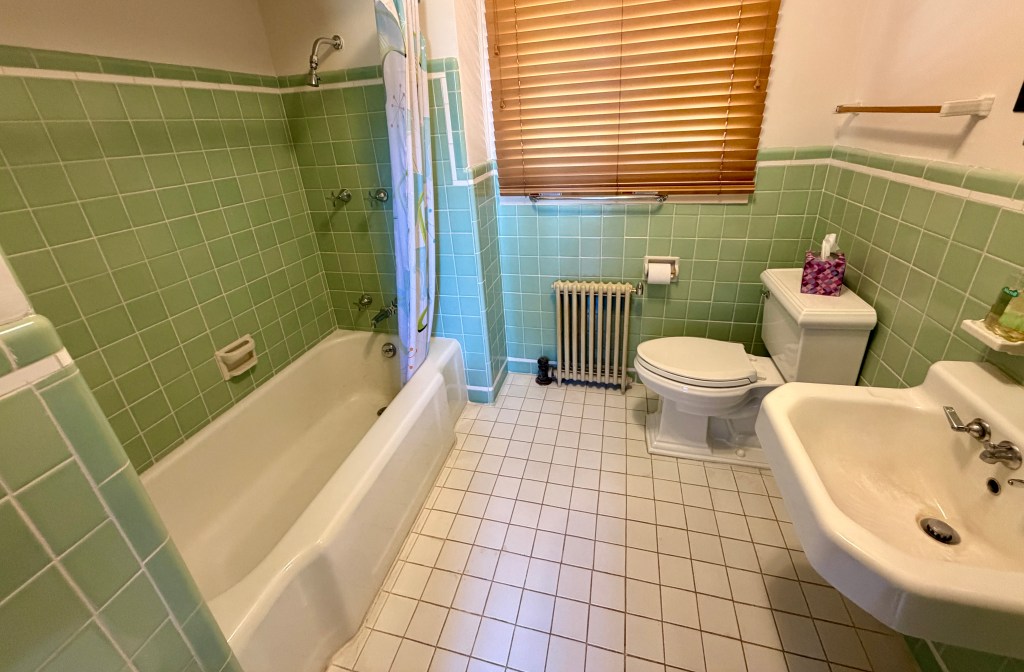
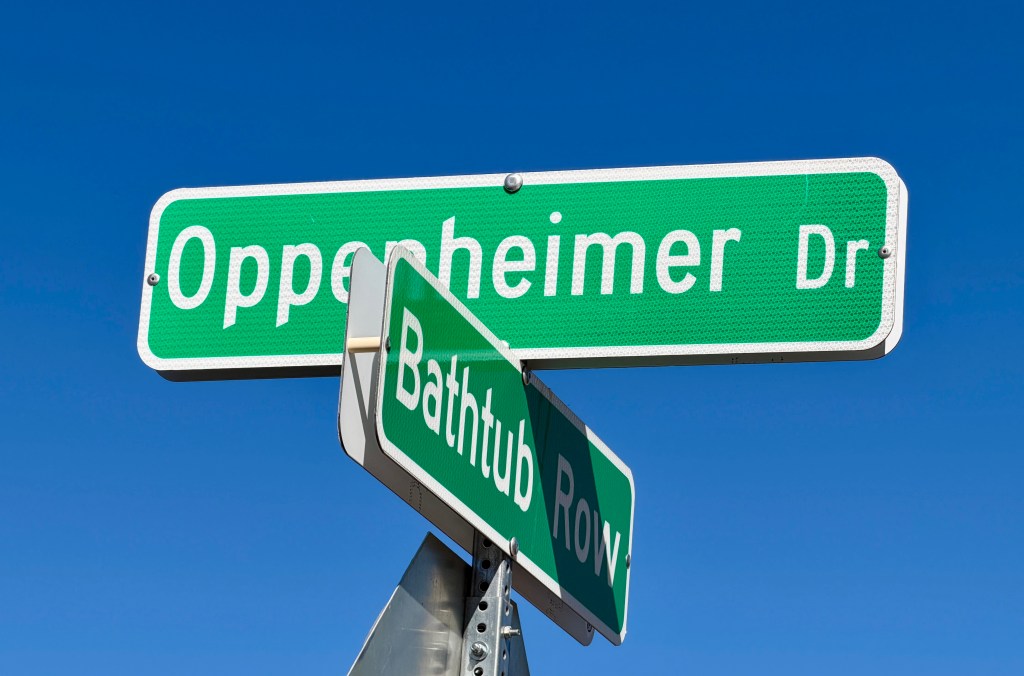
After a few hours at the Bradbury Science Museum, we popped into a consignment store for decals and postcards before walking our way to Bathtub Row, home to the houses of high-ranking scientists who were lucky enough to have bathtubs in their houses.
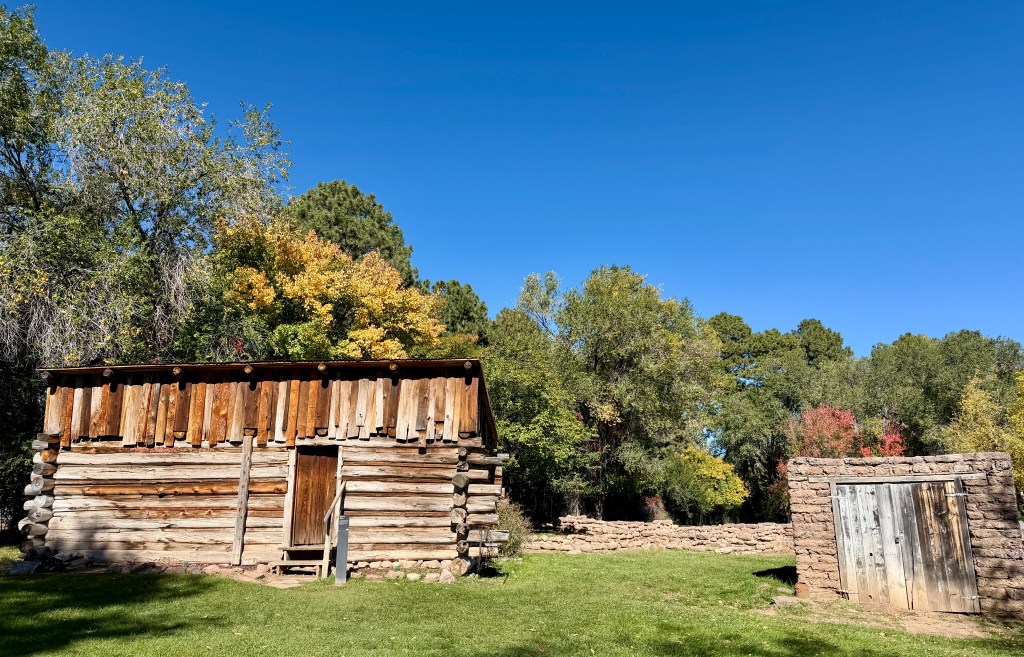
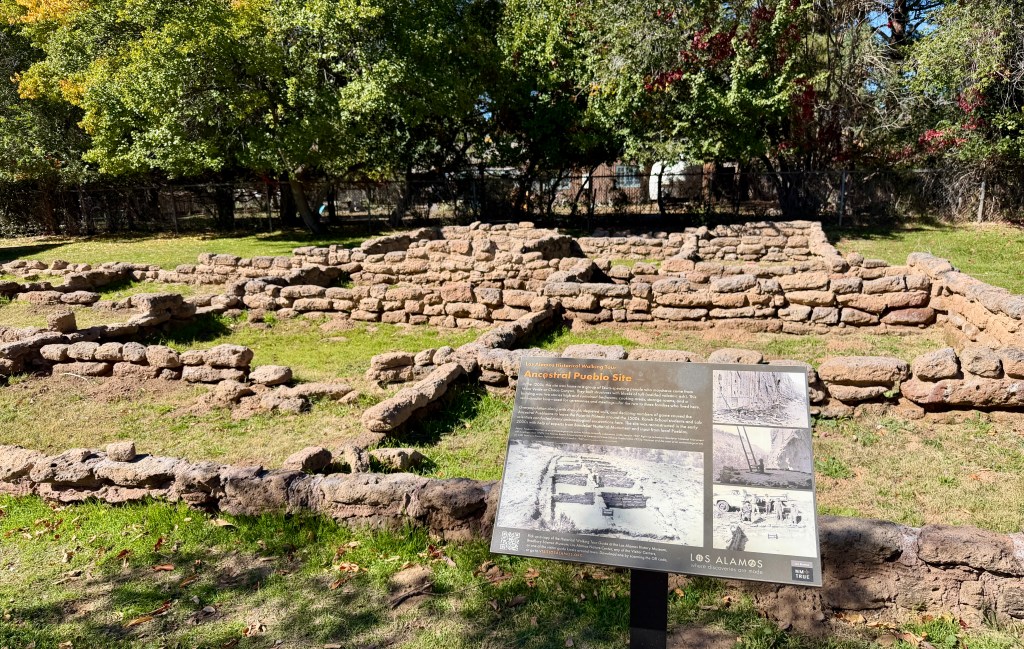
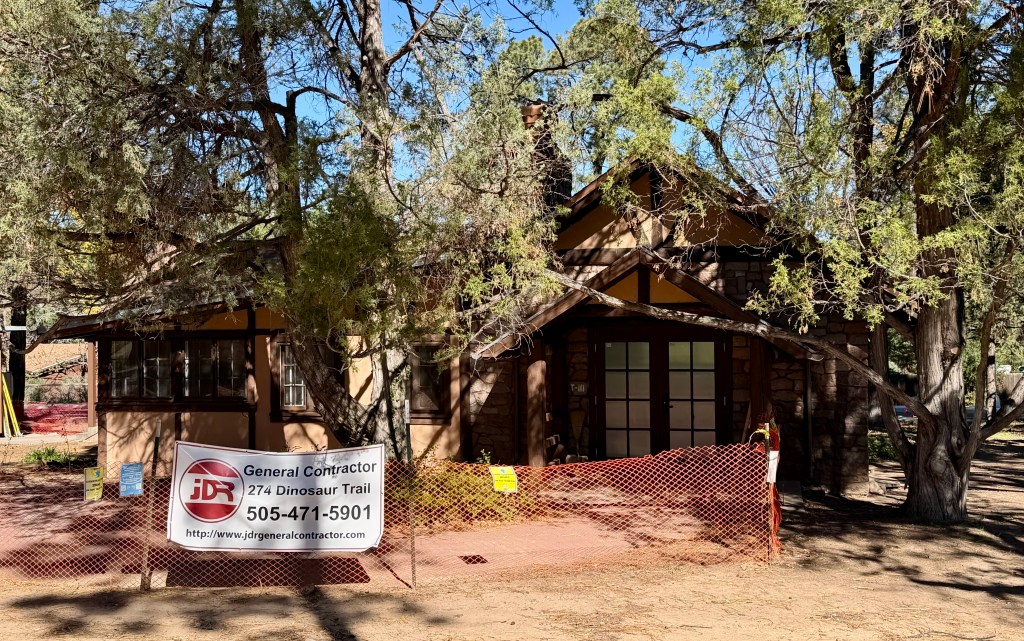
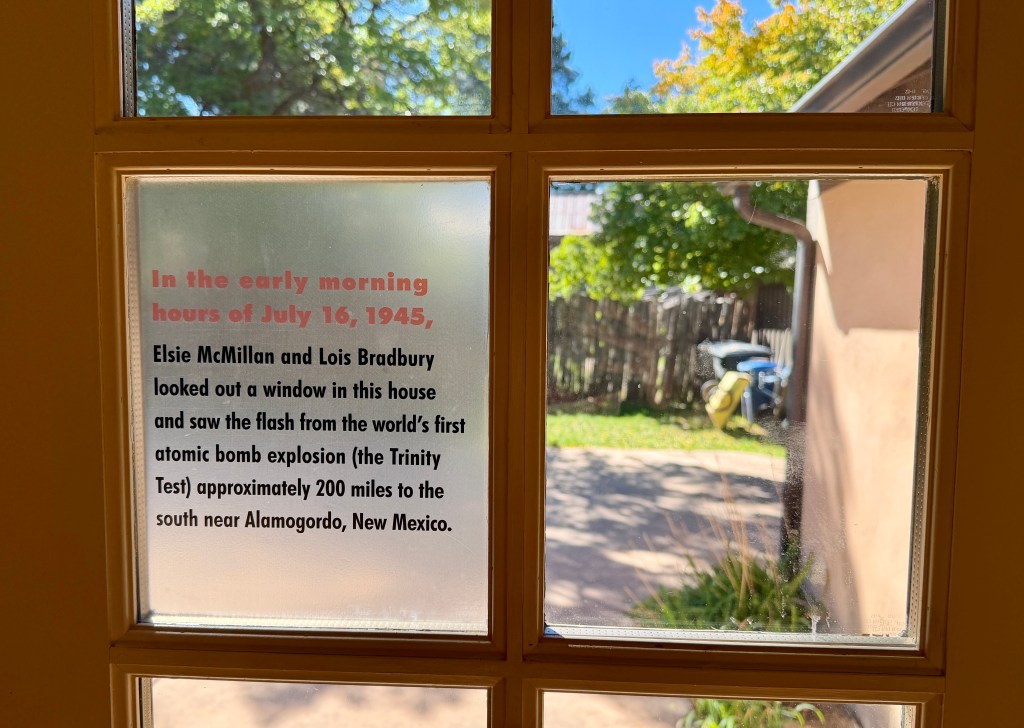
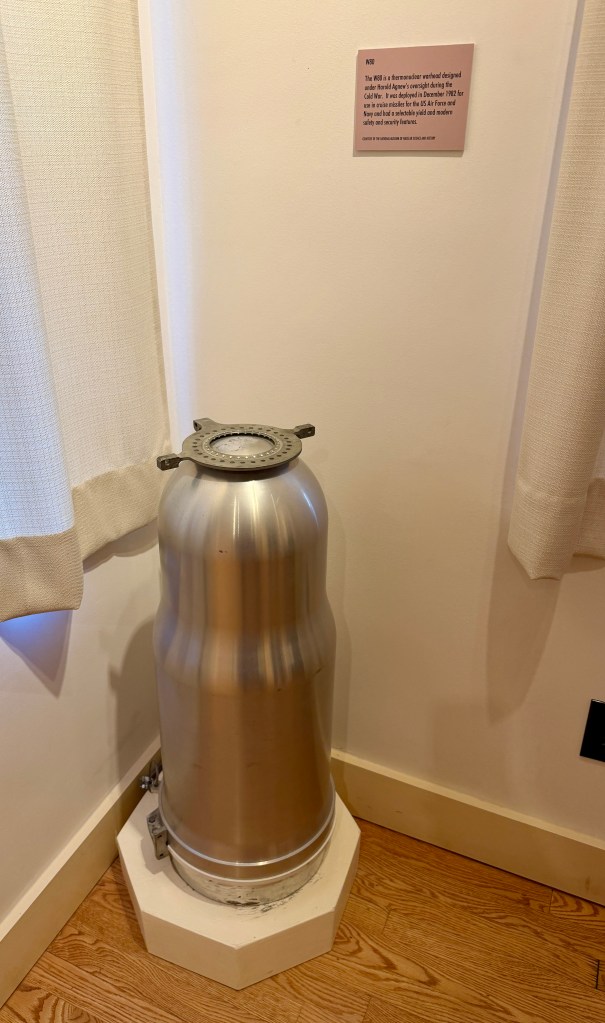
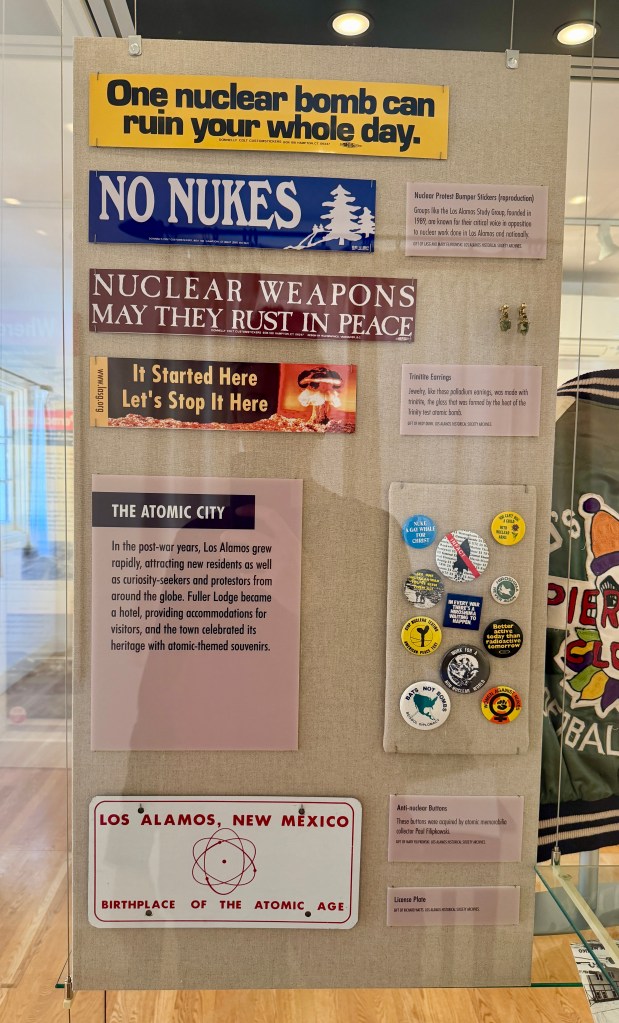
To wrap up our Los Alamos morning, we popped into the NPS visitor center for passport stamps, which includes a unique one that is three parts, with each a stamp available in each of the three Manhattan Project NHP sites.
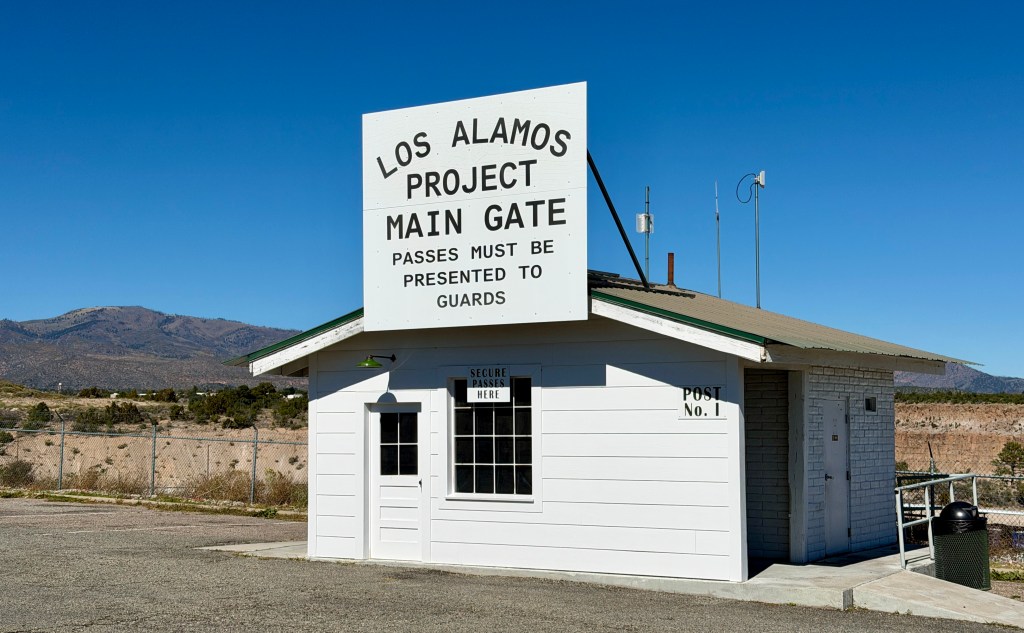
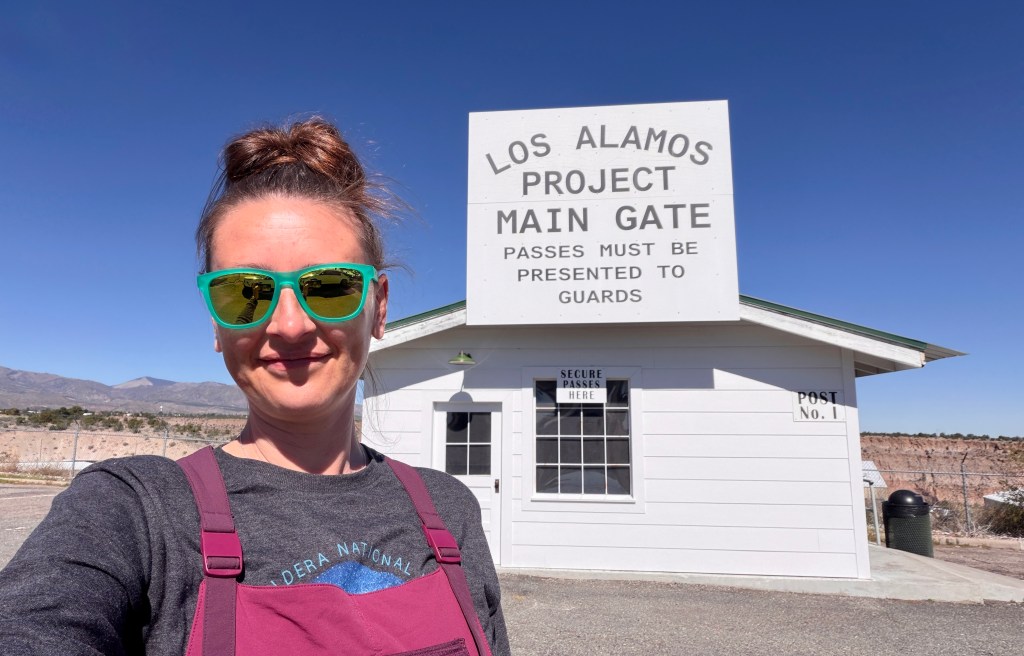
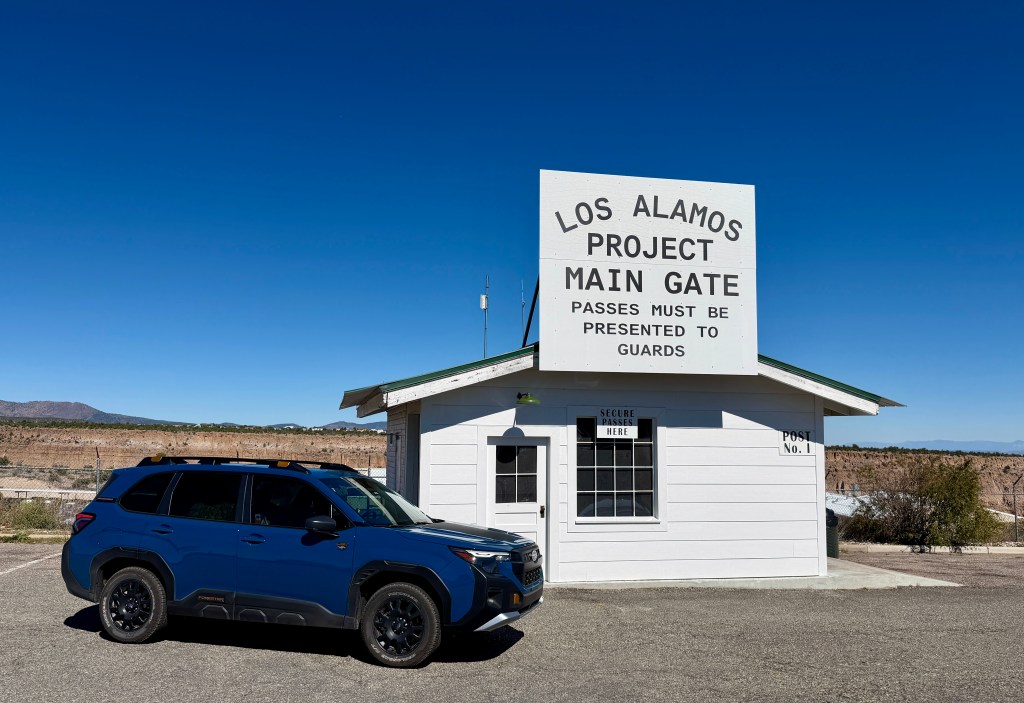
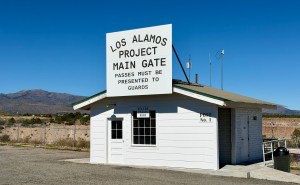
Our last stop on the way out of Los Alamos was at Main Gate Park, where a reconstruction of the security gate all people entering Los Alamos had to go through. The building houses restrooms. It was a fun stop as we wrapped up our Los Alamos experience!
Now it was time for a bit of driving, as we made our way to I-25 and headed towards Albuquerque. Never one to “orphan” a NPS unit, we detoured through the northern part of the city to Petroglyph National Monument.
Petroglyph National Monument protects a variety of cultural and natural resources including five volcanic cones, hundreds of archeological sites and an estimated 24,000 petroglyph images carved by Ancestral Pueblo peoples and early Spanish settlers.
Wikipedia
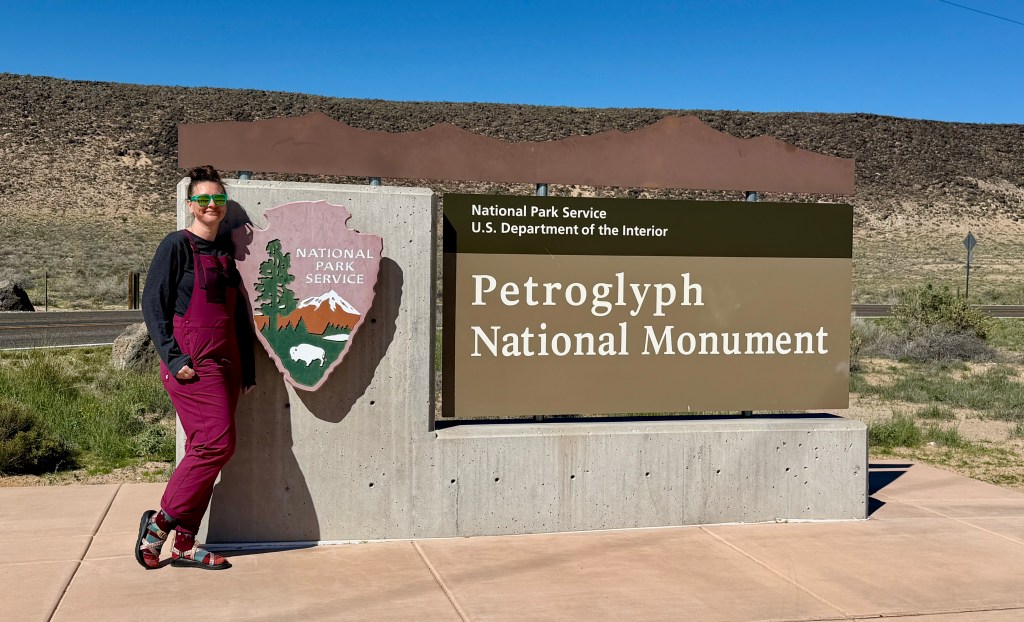
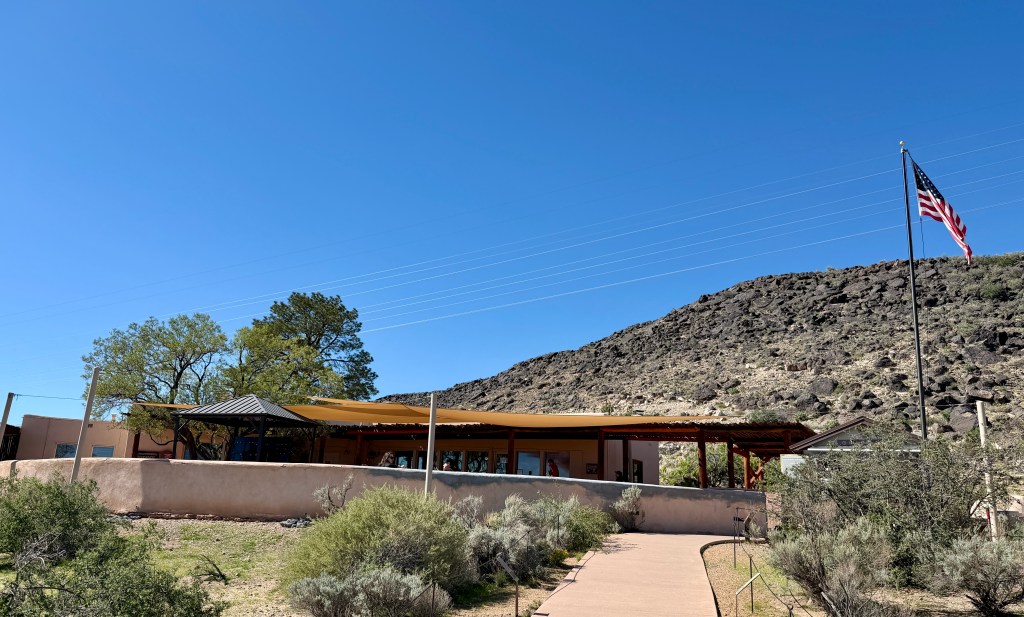
At the visitor center I asked the ranger what would be our best option for seeing petroglyphs without a lot of commitment (aka hiking). She recommended the Boca Negra Canyon area, located about two miles north of the visitor center (which does not have any hiking or petroglyphs to see). Unlike some other areas where binoculars and telephoto lenses would be best for viewing the petroglyphs, the very short trails at Boca Negra would get us up close. Sounds good to us!
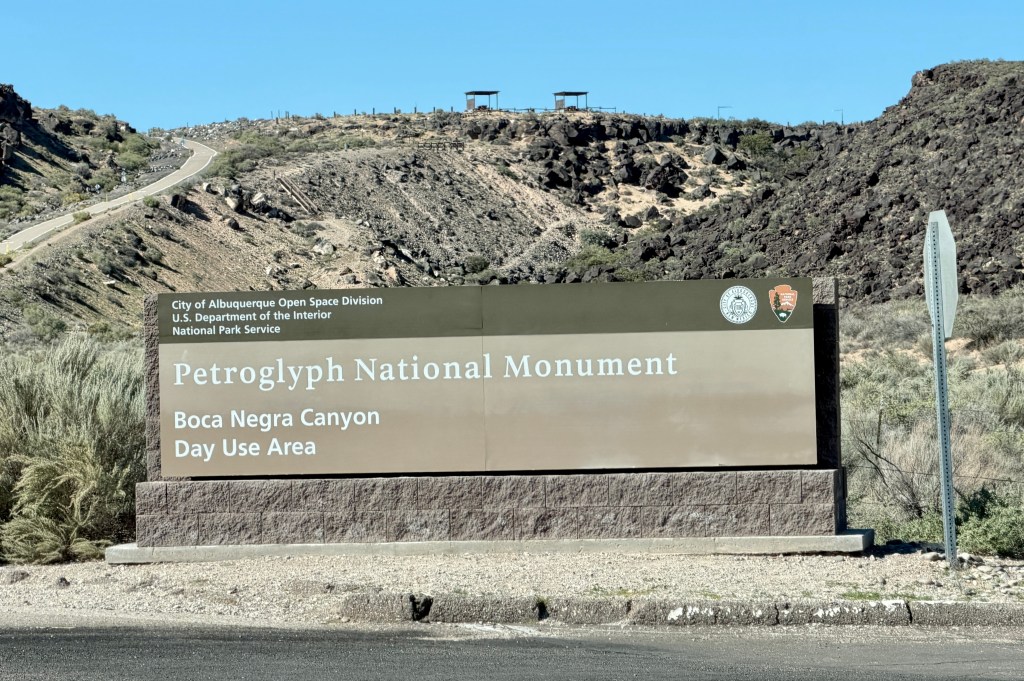
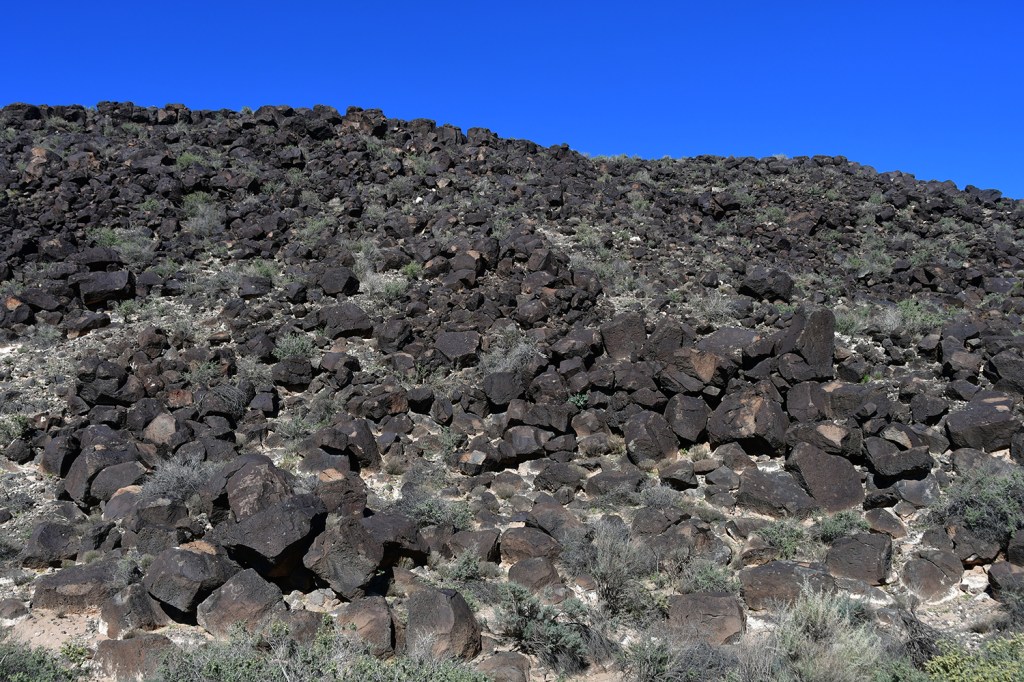
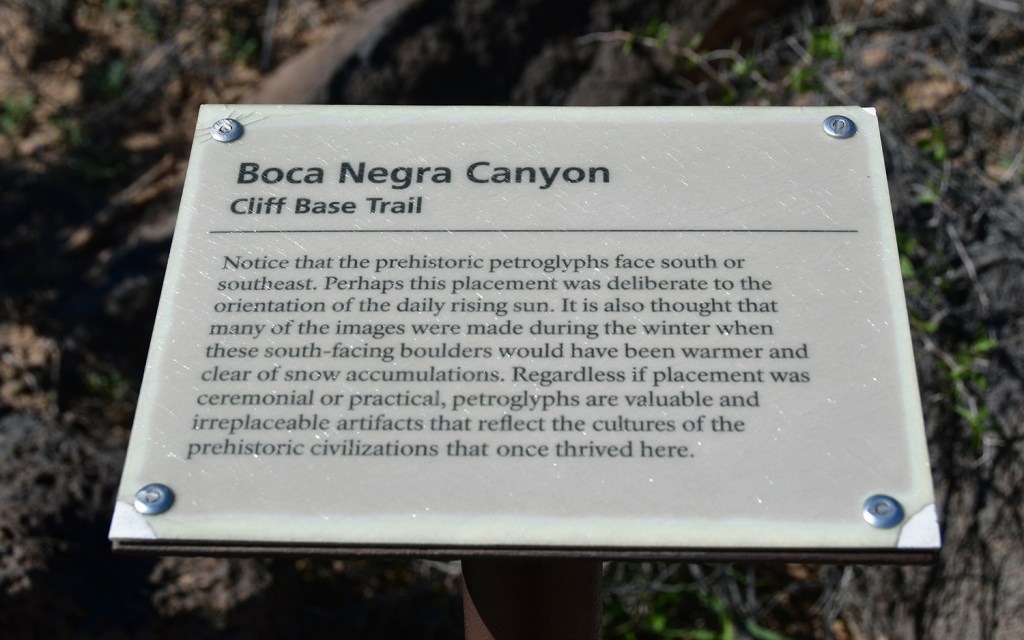
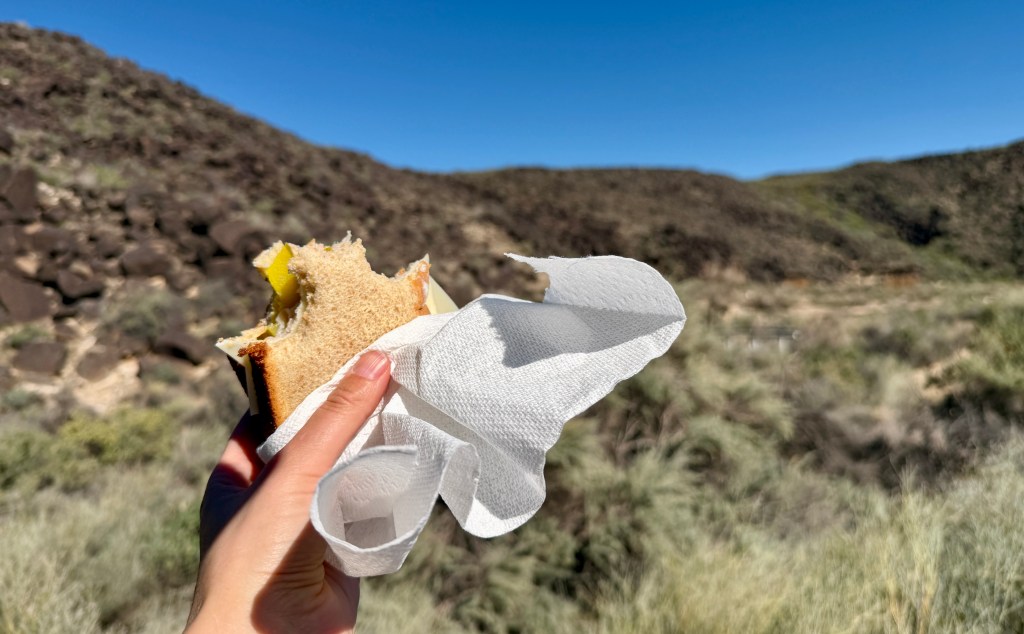
After a quick lunch of tailgate sandwiches (are they still tailgate sandwiches if all I have is a rear hatch on my car?), we stripped off some areas in the hot sun and set out on the Cliff Base and Macaw Trails among the lovely dark black basalt boulders (I was probably loving the basalt as much as the petroglyphs, to be honest).
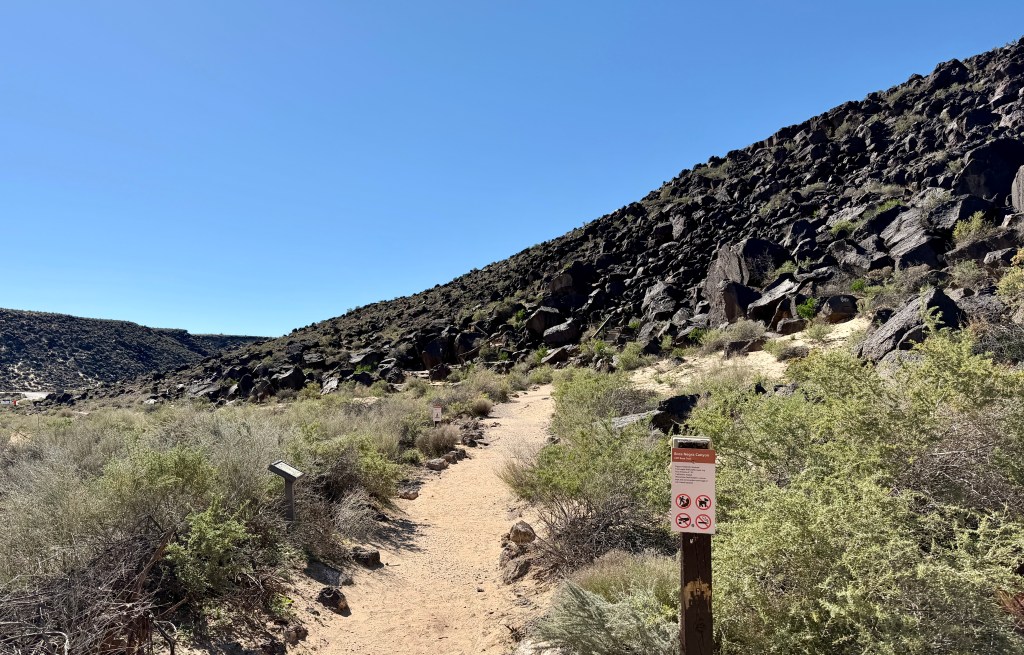
I don’t have much to say about all the petroglpyhs, as I don’t know what they mean. I think that is why they appeal to me so much, and that is because nobody knows what they mean a lot of the times. So here are a bunch of photos I’ll, and we all can just personally interpret what they might mean! (I also want to note there was a lot of modern vandalism at this site, which was sad, so sometimes I had to stop and think on if something was a real petroglyph… most of the time it was obvious it was modern day BS, but occasionally I had to pause.)
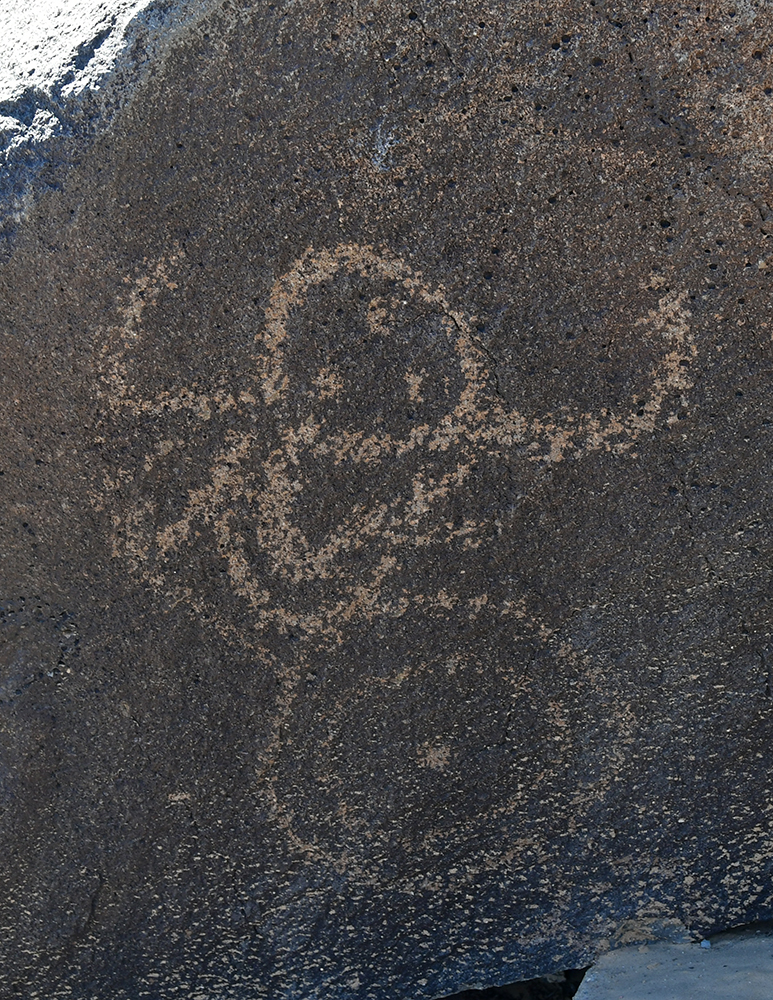
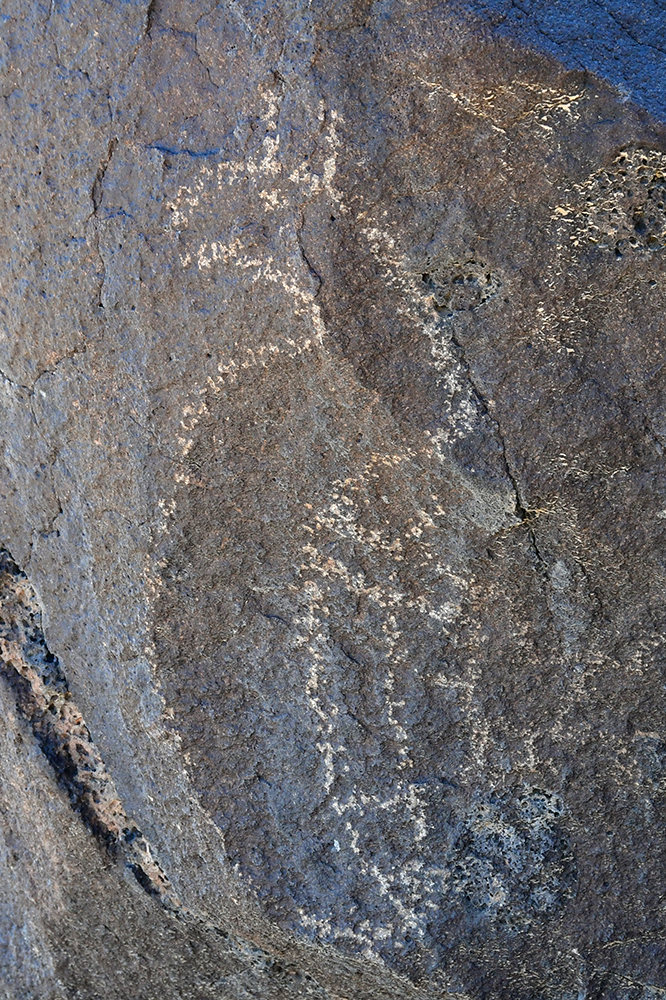
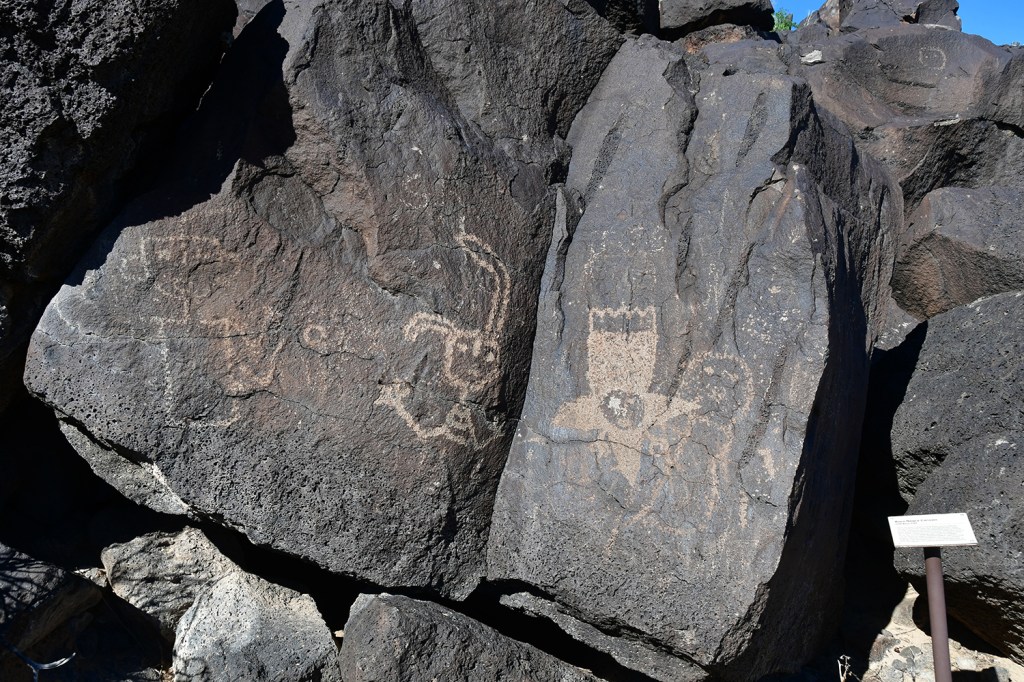
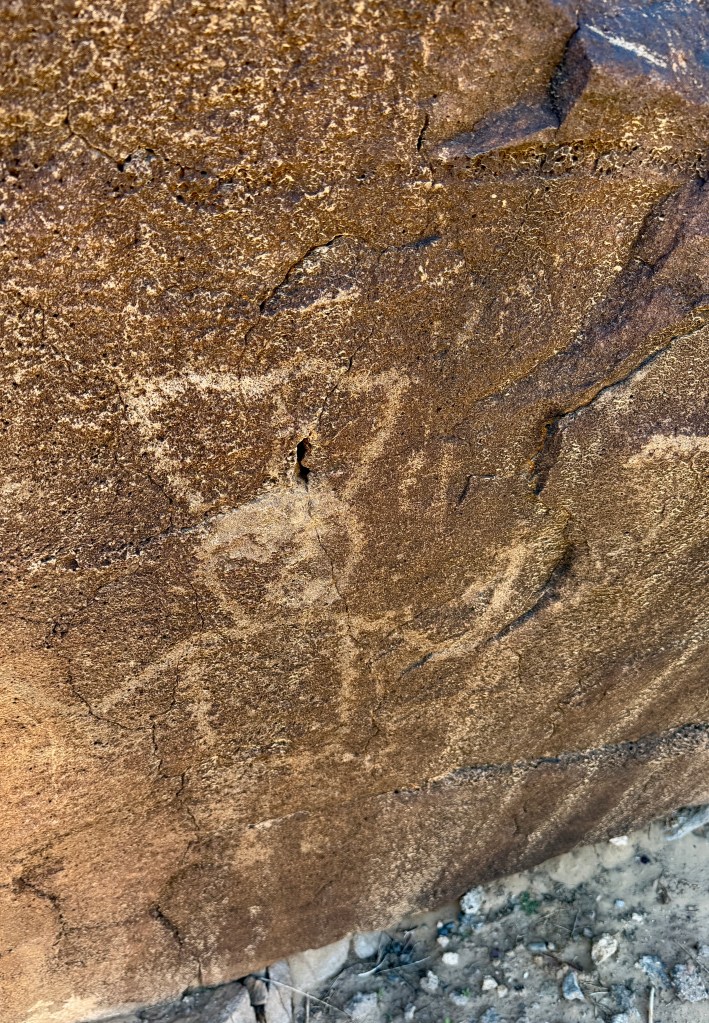
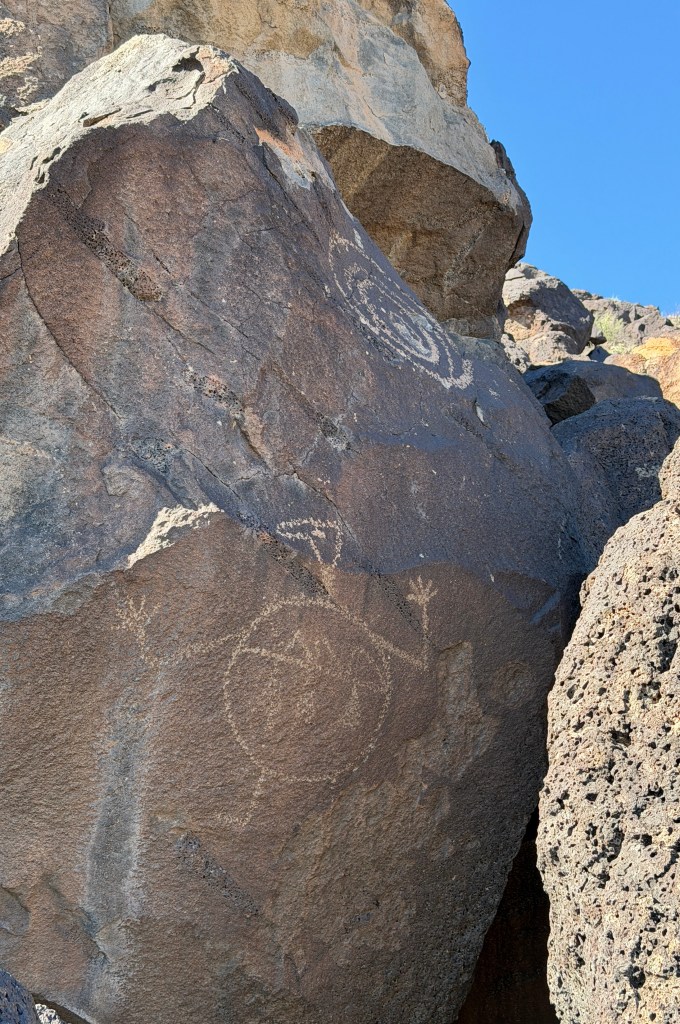
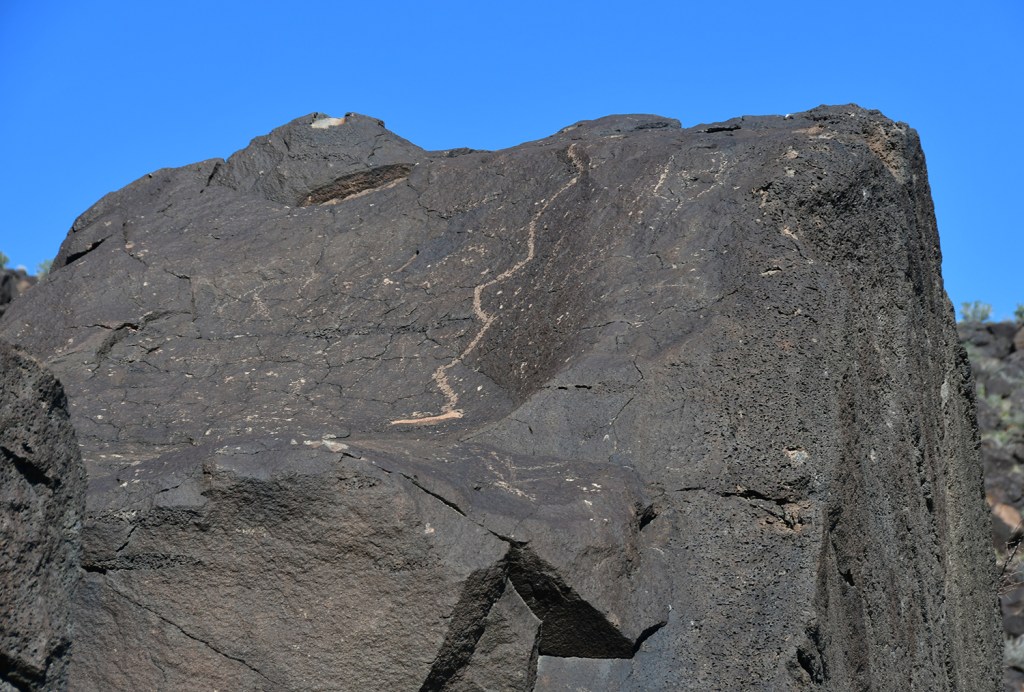
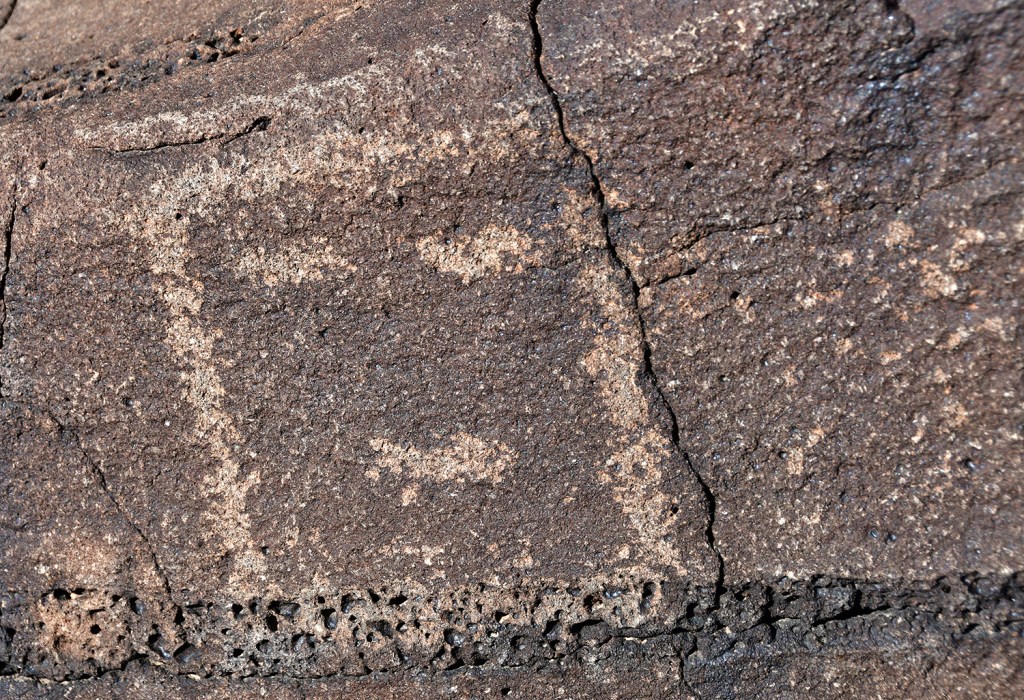
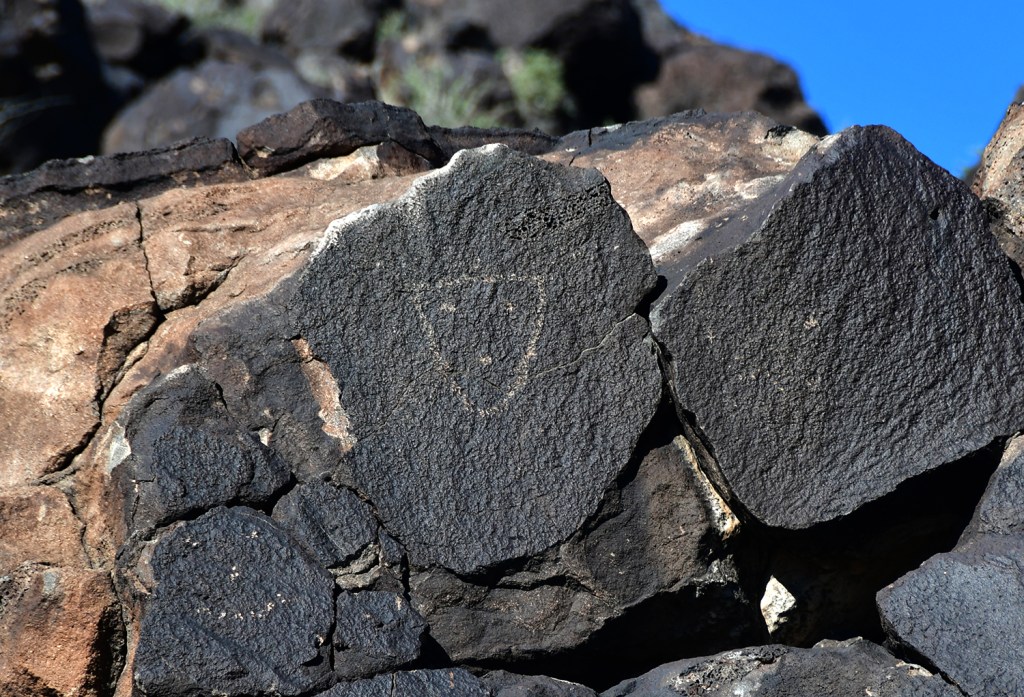
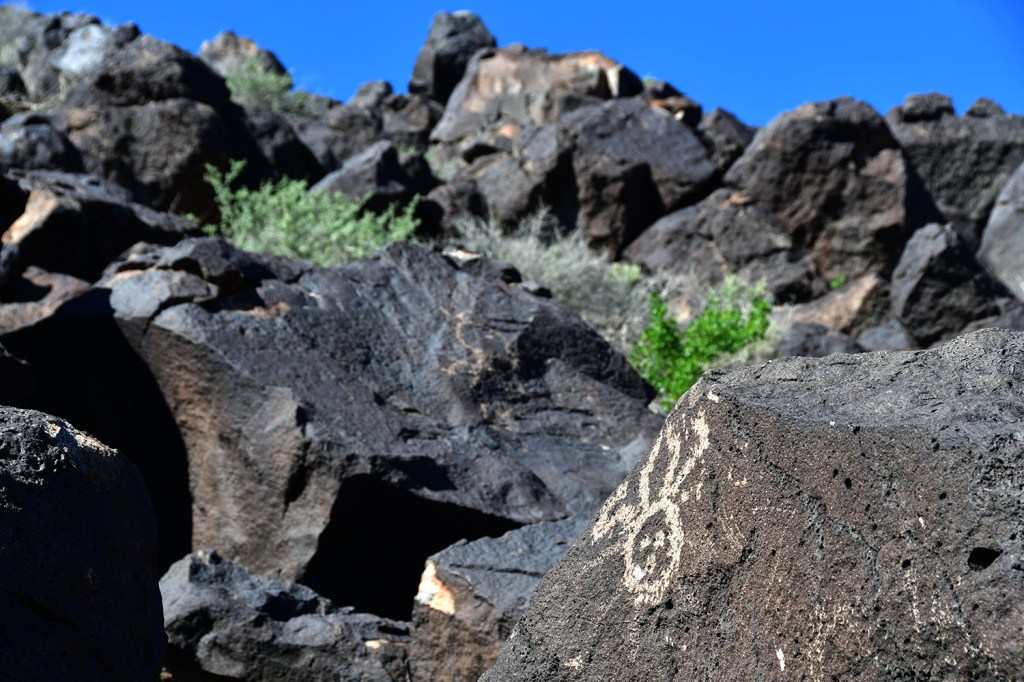
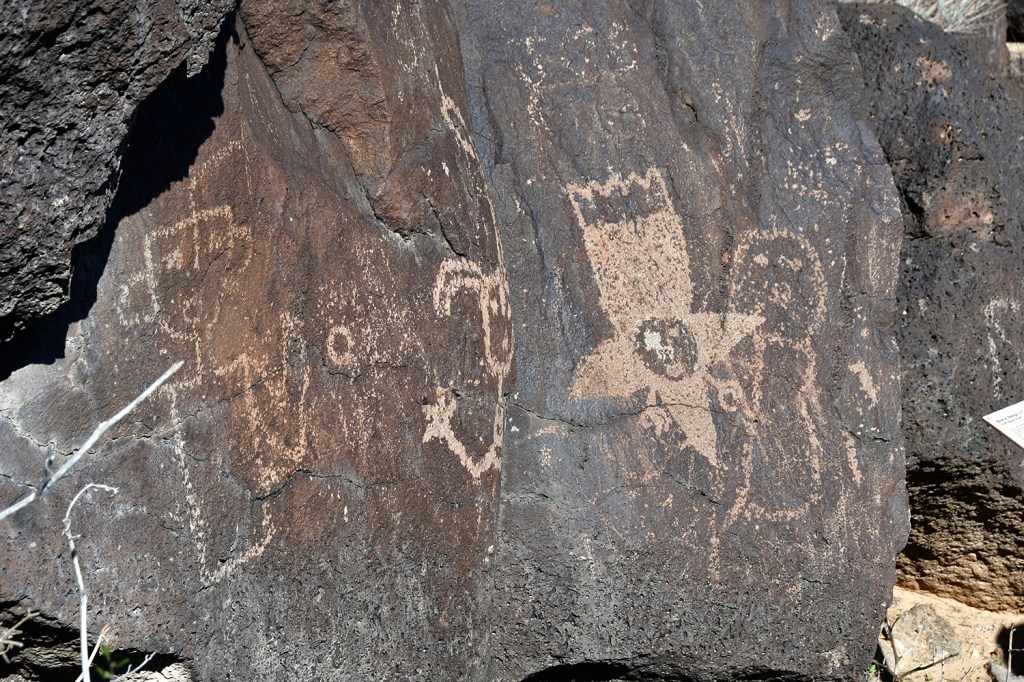
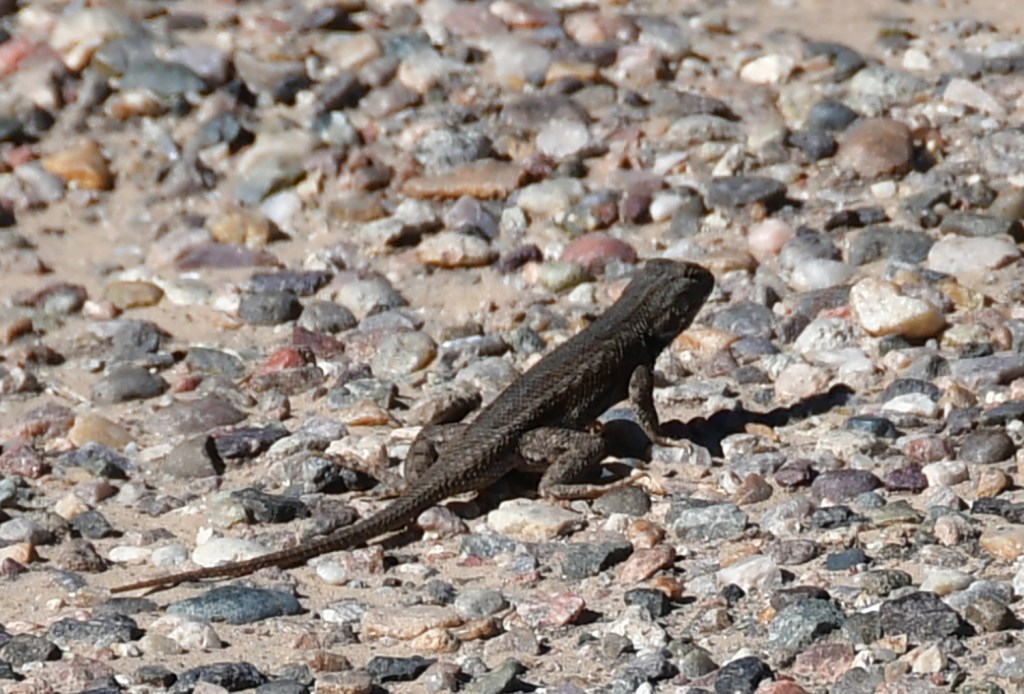
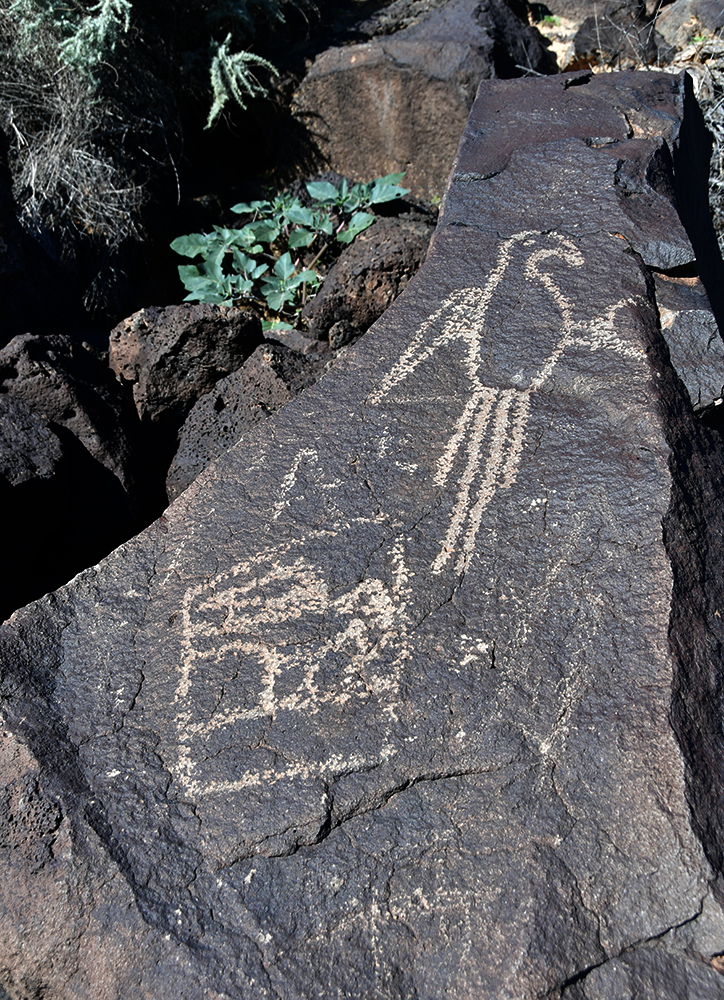
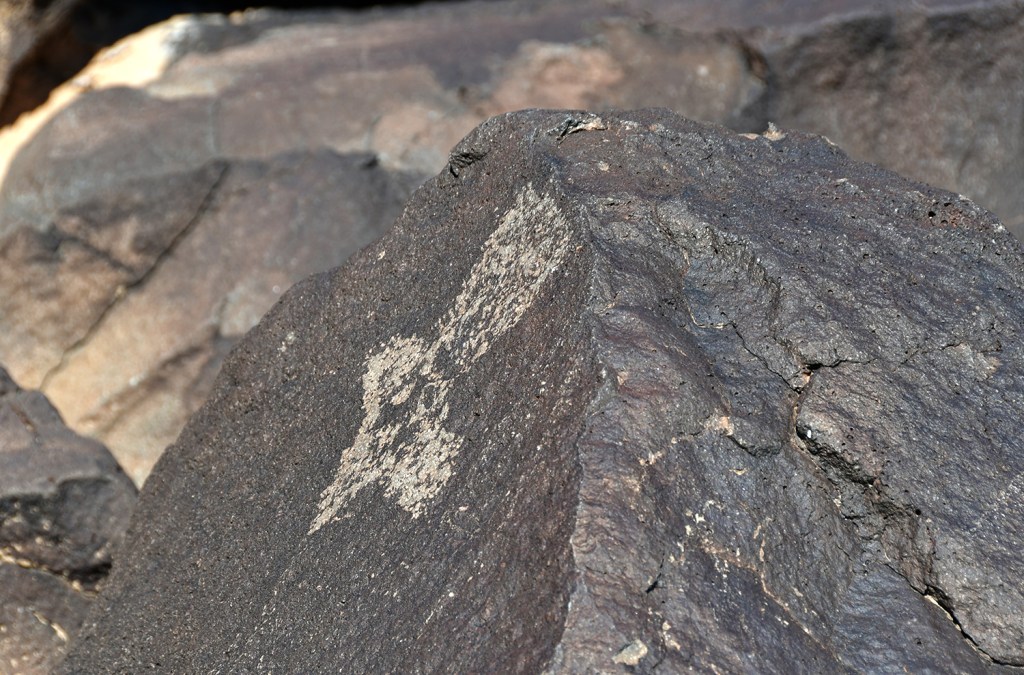
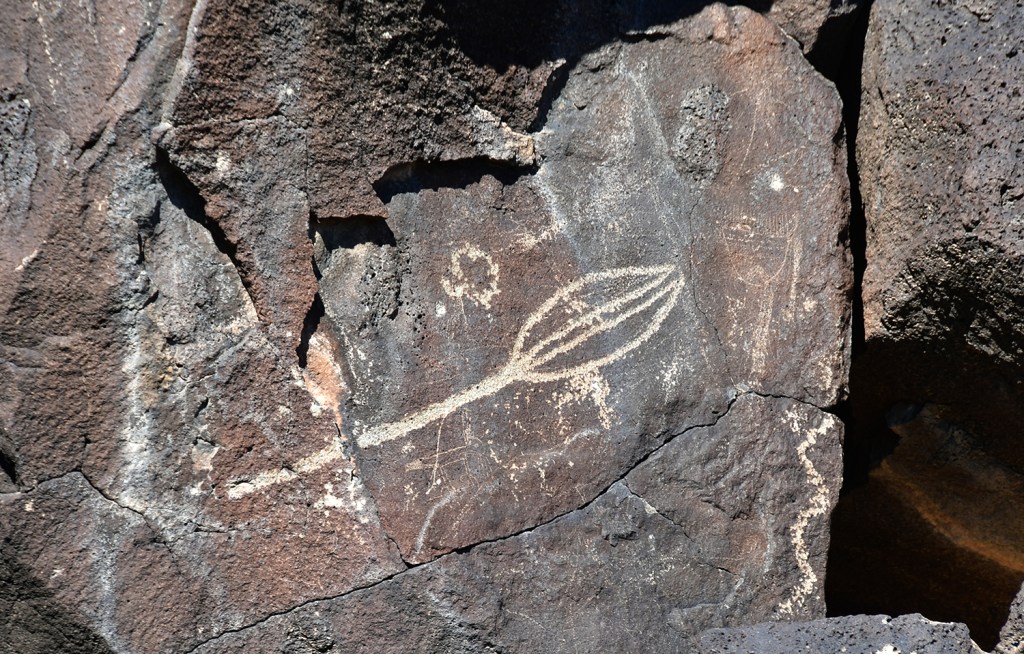
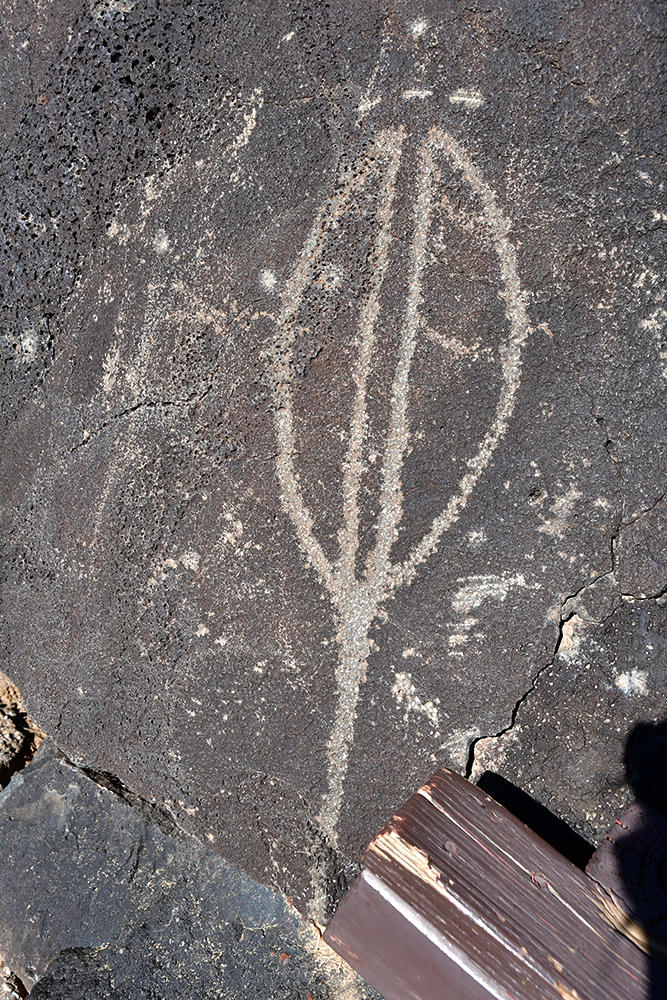
White I wish we had the time to do some of the longer trails and also see the Volcanoes area, I was pleased with our visit, and that we could see some of the petroglyphs up close.
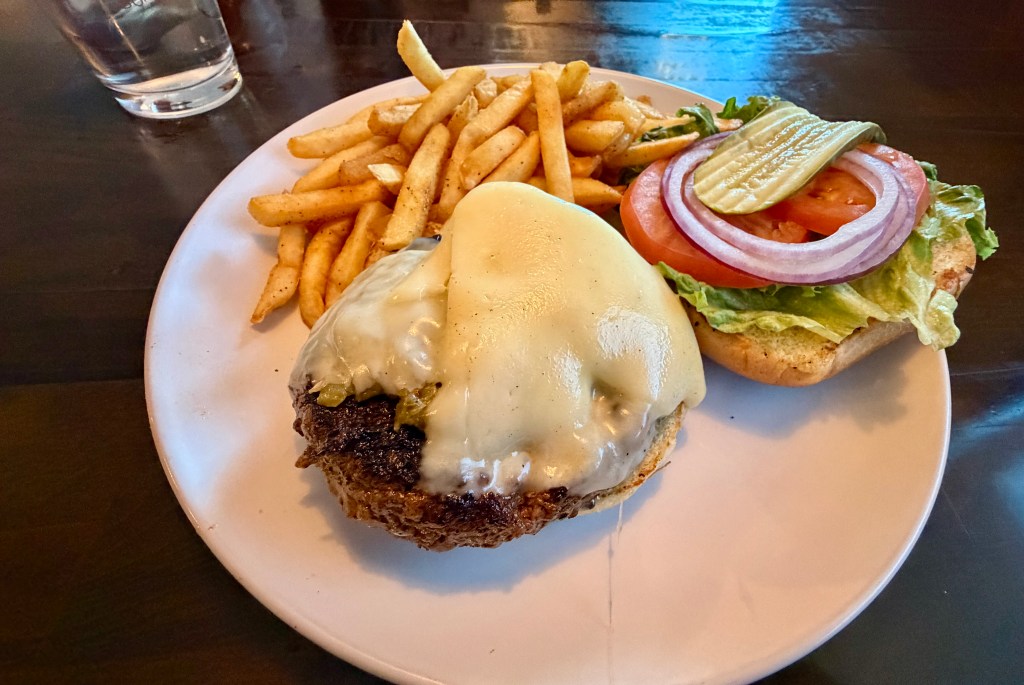
All that was up next was driving a few hours south to our stop for the night, the Best Western in Socorro. This would give us much needed showers and a twenty-minute drive out to the Stallion Gate at White Sands Missile Range the next morning for the Trinity Site Open House. The hotel was filled with people hopeful to see the Trinity Site, and was even offering breakfast earlier than normal (still feeling like we were all doing the same group project!). After a dinner at Yo Mama’s Grill (within easy walking distance of the hotel), we settled in to enjoy solid cell service and Wifi and showers, and an early bedtime as an early alarm would beckon the next morning.



Leave a Reply